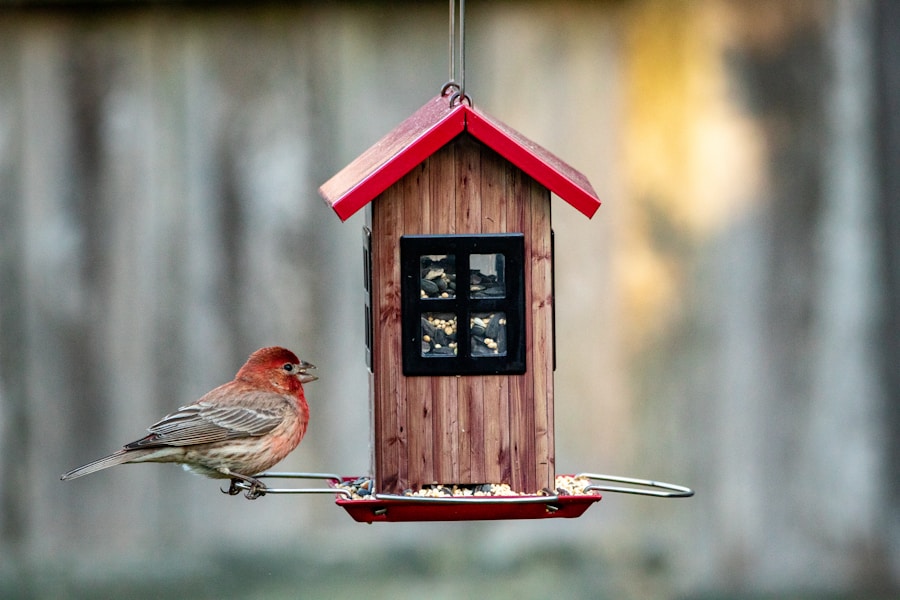
In order to create a wildlife-friendly garden, it is important to first understand the needs of the wildlife that you are hoping to attract. Different species of wildlife have different requirements for food, water, shelter, and nesting sites. For example, birds may need a variety of plants that provide seeds, berries, and nectar, while butterflies and bees may require specific types of flowers for pollination. Additionally, some wildlife may need shelter from predators or extreme weather conditions, while others may need access to water for drinking and bathing. By understanding the specific needs of the wildlife in your area, you can create a garden that provides the necessary resources for them to thrive.
Furthermore, it is important to consider the seasonal needs of wildlife when planning your garden. For example, some species may require food and shelter during the winter months, while others may need resources for breeding and raising their young in the spring and summer. By taking into account the seasonal needs of wildlife, you can ensure that your garden provides year-round support for the local wildlife population. Overall, understanding the needs of wildlife is crucial for creating a garden that is not only beautiful but also beneficial for the local ecosystem.
Choosing the Right Plants for Your Garden
One of the most important aspects of creating a wildlife-friendly garden is choosing the right plants. Native plants are particularly beneficial for wildlife as they have evolved alongside local wildlife and provide essential food and shelter. When selecting plants for your garden, it is important to choose a variety of species that bloom at different times of the year to provide a continuous source of nectar and pollen for pollinators. Additionally, consider planting a mix of trees, shrubs, and flowers to provide a diverse habitat for wildlife.
Furthermore, it is important to avoid invasive plant species that can outcompete native plants and disrupt the local ecosystem. Invasive plants can also negatively impact wildlife by reducing the availability of food and shelter. Instead, focus on planting native species that are well-suited to your local climate and soil conditions. By choosing the right plants for your garden, you can create a diverse and sustainable habitat that supports a wide range of wildlife species.
Providing Shelter and Nesting Sites
In addition to providing food sources, it is important to create shelter and nesting sites for wildlife in your garden. This can be achieved by incorporating a variety of plant structures such as trees, shrubs, and grasses that provide cover from predators and extreme weather conditions. Additionally, consider leaving areas of your garden undisturbed to provide natural hiding spots for wildlife. Fallen logs, brush piles, and rock piles can also provide valuable shelter for small mammals, reptiles, and insects.
Furthermore, consider adding nesting boxes or birdhouses to your garden to provide additional nesting sites for birds. Different species of birds have different preferences for nesting materials and locations, so be sure to research the specific needs of the birds in your area when selecting nesting boxes. By providing shelter and nesting sites in your garden, you can create a safe and welcoming environment for wildlife to thrive.
Creating a Water Source
Another essential element of a wildlife-friendly garden is providing a water source for wildlife. This can be achieved by incorporating a birdbath, pond, or small water feature into your garden. Water is essential for wildlife as it provides a source of hydration and bathing opportunities for birds and other animals. Additionally, water features can attract a variety of wildlife species including frogs, dragonflies, and butterflies.
When creating a water source in your garden, it is important to consider the needs of different wildlife species. For example, shallow areas in ponds can provide safe drinking and bathing spots for birds, while deeper areas can support aquatic life such as fish and amphibians. Additionally, consider adding rocks or floating plants to provide landing spots for insects and small animals. By creating a water source in your garden, you can attract a diverse range of wildlife and provide essential resources for their survival.
Avoiding the Use of Pesticides and Chemicals
To create a truly wildlife-friendly garden, it is important to avoid the use of pesticides and chemicals that can harm wildlife. Many pesticides are toxic to insects and other invertebrates that are essential for pollination and pest control in the garden. Additionally, pesticides can also harm birds, mammals, and other animals that may ingest contaminated food or water sources.
Instead of using chemical pesticides, consider using natural pest control methods such as companion planting, beneficial insects, and physical barriers to protect your garden from pests. Additionally, focus on creating a healthy and balanced ecosystem in your garden by providing diverse plant species that support natural pest control and pollination. By avoiding the use of pesticides and chemicals in your garden, you can create a safe and sustainable environment for wildlife to thrive.
Attracting Pollinators
Pollinators such as bees, butterflies, and hummingbirds play a crucial role in the ecosystem by pollinating flowers and crops. To attract pollinators to your garden, it is important to plant a variety of flowers that provide nectar and pollen throughout the growing season. Additionally, consider incorporating native flowering plants that are well-suited to the needs of local pollinators.
Furthermore, providing nesting sites for pollinators can also help support their populations in your garden. For example, leaving areas of bare soil or incorporating bee hotels can provide nesting opportunities for solitary bees. Additionally, consider leaving some areas of your garden untamed to provide natural nesting sites for ground-nesting bees and other pollinators. By attracting pollinators to your garden, you can support healthy plant reproduction and contribute to the overall biodiversity of your local ecosystem.
Maintaining a Wildlife-Friendly Garden
Once you have created a wildlife-friendly garden, it is important to maintain it to ensure that it continues to support local wildlife populations. Regular maintenance tasks such as watering, weeding, and pruning can help keep your garden healthy and attractive to wildlife. Additionally, consider leaving some areas of your garden undisturbed to provide natural habitats for wildlife.
Furthermore, monitoring the health of your garden can help you identify any potential issues that may impact wildlife. For example, keep an eye out for signs of pests or diseases that may affect your plants or wildlife populations. Additionally, consider keeping records of the wildlife species that visit your garden to track changes in biodiversity over time.
In conclusion, creating a wildlife-friendly garden requires careful planning and consideration of the needs of local wildlife species. By choosing the right plants, providing shelter and nesting sites, creating a water source, avoiding pesticides and chemicals, attracting pollinators, and maintaining your garden, you can create a beautiful and sustainable habitat that supports a diverse range of wildlife species. By taking these steps to create a wildlife-friendly garden, you can contribute to the conservation of local ecosystems and enjoy the beauty of nature in your own backyard.