When it comes to gardening in a small space, the first step is to understand the size and layout of your garden. Take the time to measure the dimensions of your garden area, including any potential vertical space that could be utilized. Understanding the layout of your garden will help you determine how to best utilize the space for planting. Consider factors such as sunlight exposure, wind patterns, and any potential obstacles that could impact plant growth. By assessing the size and layout of your garden, you can make informed decisions about which plants to grow and how to maximize the available space for optimal productivity.
In addition to measuring the dimensions of your garden, it’s important to consider the overall aesthetic and functionality of the space. Think about how you want to use the garden – whether it’s for growing vegetables, herbs, flowers, or a combination of all three. Consider creating designated areas for different types of plants, and think about how you can incorporate elements such as seating areas, pathways, or decorative features to enhance the overall appeal of the space. By carefully assessing the size and layout of your garden, you can create a plan that maximizes both productivity and visual appeal.
Choosing the Right Plants: Selecting High-Yield Varieties for Small Spaces
When it comes to gardening in a small space, choosing the right plants is crucial for maximizing productivity. Look for high-yield varieties that are well-suited to small spaces, such as compact or dwarf varieties of vegetables and herbs. Consider plants that are known for their productivity, such as cherry tomatoes, bush beans, and compact varieties of peppers and cucumbers. Additionally, consider growing plants that can be harvested over a long period of time, such as cut-and-come-again lettuce or herbs like basil and cilantro. By selecting high-yield varieties, you can make the most of your limited space and enjoy a bountiful harvest throughout the growing season.
In addition to choosing high-yield varieties, consider plants that are well-suited to the specific growing conditions in your garden. Take into account factors such as sunlight exposure, soil quality, and climate when selecting plants for your small space. Look for plants that are well-adapted to your local climate and that thrive in the specific conditions of your garden. By choosing plants that are well-suited to your space, you can ensure that they will grow vigorously and produce a plentiful harvest, even in a small area.
Utilizing Vertical Space: Maximizing Growth with Trellises and Vertical Gardens
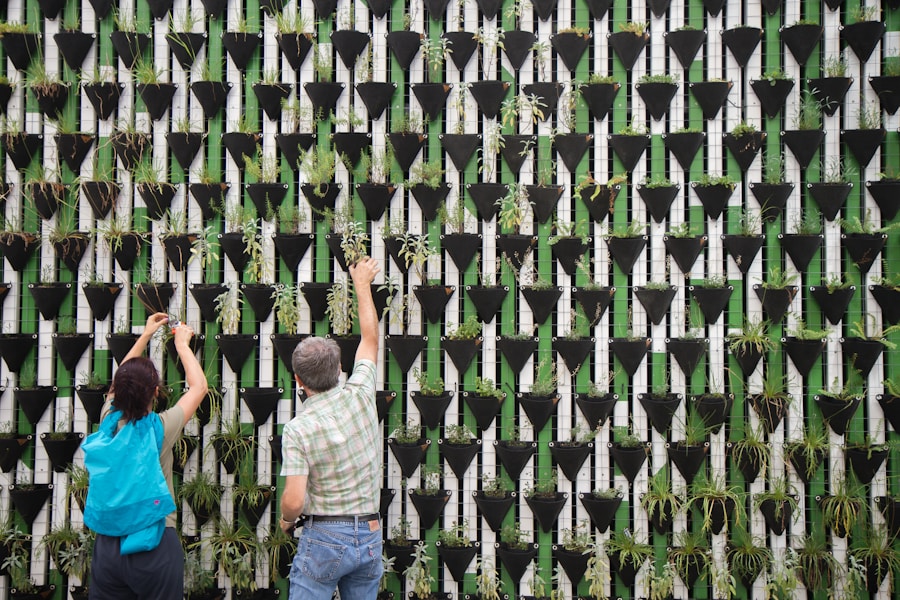
In a small garden, utilizing vertical space is essential for maximizing growth and productivity. Consider installing trellises or other vertical structures to support vining plants such as tomatoes, cucumbers, and peas. By training these plants to grow vertically, you can make the most of limited ground space and encourage healthy growth and abundant yields. Additionally, consider creating a vertical garden by using hanging planters or wall-mounted containers to grow herbs, flowers, or compact vegetables. Vertical gardening not only maximizes space but also adds visual interest to your garden, creating a lush and vibrant display of plants.
When utilizing vertical space in your garden, it’s important to consider factors such as sunlight exposure and wind patterns. Ensure that your vertical structures are positioned in a way that allows plants to receive adequate sunlight throughout the day. Additionally, consider how wind may impact the stability of your vertical garden and take steps to secure structures to prevent damage from strong gusts. By carefully planning and implementing vertical gardening techniques, you can make the most of limited space and enjoy a thriving garden that makes efficient use of both horizontal and vertical growing areas.
Companion Planting: Enhancing Productivity by Pairing Compatible Plants
Companion planting is a time-honored gardening technique that involves planting different types of plants together to enhance productivity and deter pests. In a small garden, companion planting can be especially beneficial for making the most of limited space and promoting healthy plant growth. Consider pairing compatible plants that benefit each other in various ways – for example, planting aromatic herbs like basil or rosemary alongside vegetables to repel pests, or interplanting nitrogen-fixing legumes with heavy-feeding crops to improve soil fertility. By strategically pairing compatible plants in your small garden, you can create a harmonious growing environment that supports healthy plant growth and maximizes productivity.
In addition to enhancing productivity, companion planting can also add visual interest and diversity to your garden. Consider incorporating a variety of different plants with different colors, textures, and growth habits to create a visually appealing and dynamic garden space. By carefully selecting companion plants that complement each other in terms of growth habits and aesthetic appeal, you can create a garden that is not only productive but also beautiful and engaging.
Intensive Planting Techniques: Making the Most of Limited Space with Close Planting
Intensive planting techniques are essential for making the most of limited space in a small garden. By closely spacing plants together, you can maximize productivity and make efficient use of every available inch of growing area. Consider techniques such as square foot gardening or interplanting to pack as many plants as possible into your garden beds while still allowing each plant to thrive. Additionally, consider succession planting – planting new crops as soon as old ones are harvested – to ensure that your garden beds are always productive throughout the growing season. By implementing intensive planting techniques in your small garden, you can enjoy a bountiful harvest from even the smallest of spaces.
When using intensive planting techniques, it’s important to consider factors such as soil fertility and water availability. Ensure that your soil is well-amended with organic matter and nutrients to support the vigorous growth of closely spaced plants. Additionally, consider implementing efficient watering techniques such as drip irrigation or soaker hoses to ensure that all plants receive adequate moisture without wasting water. By carefully managing soil health and water availability, you can make intensive planting techniques successful in your small garden and enjoy a productive and thriving growing space.
Soil Health and Nutrient Management: Ensuring Optimal Conditions for Maximum Yields
In a small garden, soil health and nutrient management are crucial for ensuring optimal conditions for maximum yields. Start by testing your soil to determine its pH level and nutrient content, then amend it as needed with organic matter, compost, and other soil amendments to create a fertile growing environment for your plants. Additionally, consider implementing techniques such as crop rotation and cover cropping to maintain soil health and prevent nutrient depletion over time. By carefully managing soil health and nutrient levels in your small garden, you can create an environment that supports healthy plant growth and abundant yields.
In addition to soil health, nutrient management is essential for ensuring that your plants have access to the nutrients they need for vigorous growth and productivity. Consider using organic fertilizers or compost tea to provide essential nutrients to your plants without relying on synthetic chemicals. Additionally, consider using mulch to conserve soil moisture and suppress weeds while also adding organic matter to the soil as it breaks down over time. By carefully managing soil health and nutrient levels in your small garden, you can create an environment that supports healthy plant growth and abundant yields throughout the growing season.
Efficient Watering and Maintenance: Strategies for Keeping Your Garden Thriving in a Small Space
Efficient watering and maintenance are essential for keeping your small garden thriving throughout the growing season. Consider implementing watering techniques such as drip irrigation or soaker hoses to deliver water directly to the roots of your plants while minimizing water waste through evaporation or runoff. Additionally, consider using mulch to conserve soil moisture and suppress weeds while also adding organic matter to the soil as it breaks down over time. By carefully managing soil health and nutrient levels in your small garden, you can create an environment that supports healthy plant growth and abundant yields throughout the growing season.
In addition to efficient watering techniques, regular maintenance is essential for keeping your small garden thriving. Take the time to monitor your plants for signs of pests or disease, then take appropriate action to address any issues before they become serious problems. Additionally, consider implementing regular pruning and harvesting practices to keep your plants healthy and productive throughout the growing season. By staying on top of watering and maintenance tasks in your small garden, you can create an environment that supports healthy plant growth and abundant yields while minimizing water waste through evaporation or runoff.
In conclusion, gardening in a small space presents unique challenges but also offers opportunities for creativity and innovation. By carefully assessing the size and layout of your garden, choosing high-yield varieties, utilizing vertical space, companion planting, intensive planting techniques, managing soil health and nutrients, efficient watering techniques, and regular maintenance practices are all essential for creating a productive and thriving small garden. With careful planning and attention to detail, you can enjoy a bountiful harvest from even the smallest of spaces while creating a beautiful and vibrant garden that enhances your outdoor living space.