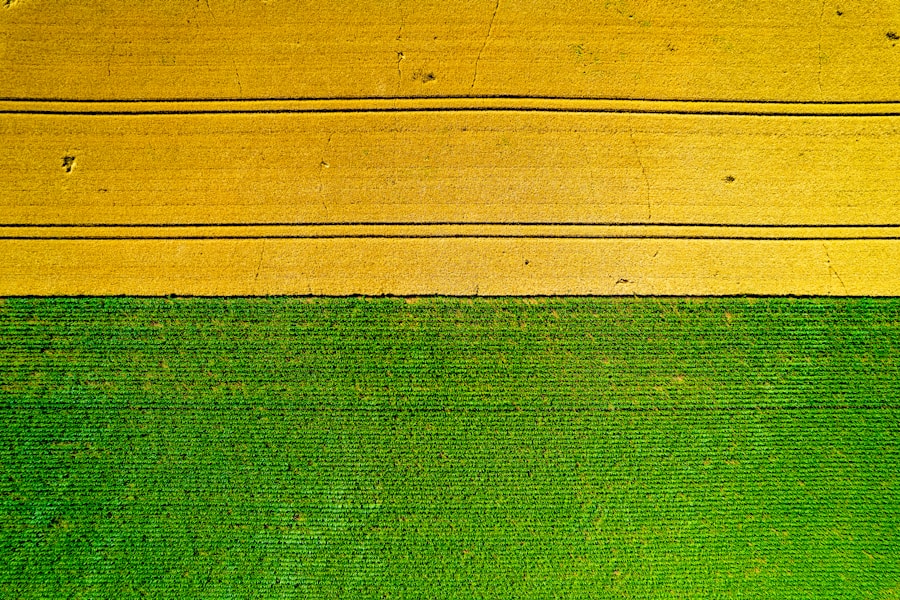
Crop rotation is a farming technique that has been practiced for centuries, with its origins dating back to ancient agricultural practices. The concept of crop rotation can be traced back to the Roman Empire, where farmers would rotate their crops to maintain soil fertility and prevent the depletion of nutrients. The ancient Greeks also practiced crop rotation, alternating between legumes and grains to improve soil quality and increase crop yields. In Asia, traditional rice farming methods involved rotating rice paddies with other crops such as soybeans and vegetables to maintain soil fertility and prevent disease. These ancient agricultural practices laid the foundation for modern crop rotation techniques, demonstrating the importance of sustainable farming methods in maintaining soil health and increasing agricultural productivity.
In addition to the historical significance of crop rotation, indigenous farming communities around the world have also developed their own unique crop rotation systems based on traditional knowledge and local environmental conditions. For example, Native American farming communities in North America practiced the “Three Sisters” method, which involved planting corn, beans, and squash together in a symbiotic relationship that enhanced soil fertility and pest control. These ancient agricultural practices highlight the ingenuity and resourcefulness of early farming communities in developing sustainable farming techniques that have stood the test of time.
Understanding the Science Behind Crop Rotation: Soil Health and Nutrient Cycling
The science behind crop rotation lies in its ability to improve soil health and nutrient cycling, leading to increased agricultural productivity and sustainability. When crops are rotated, different plant species with varying nutrient requirements are grown in succession, allowing the soil to replenish essential nutrients and prevent the buildup of pests and diseases. Legumes, such as peas and beans, are often included in crop rotation systems due to their ability to fix nitrogen from the atmosphere and improve soil fertility. By alternating legumes with other crops such as grains or vegetables, farmers can effectively replenish nitrogen levels in the soil and reduce the need for synthetic fertilizers.
Furthermore, crop rotation can help break pest and disease cycles by disrupting the habitat and food sources of harmful organisms. For example, planting a non-host crop after a susceptible crop can reduce the buildup of pests and pathogens in the soil, leading to healthier plants and higher yields. Additionally, crop rotation can improve soil structure and water retention, leading to better drainage and reduced erosion. Overall, the science behind crop rotation is rooted in its ability to enhance soil health, nutrient cycling, and pest control, making it a valuable tool for sustainable agriculture.
The Benefits of Crop Rotation: Increased Yields and Pest Control
The benefits of crop rotation are numerous, with increased yields and pest control being among the most significant advantages for farmers. By rotating crops, farmers can improve soil fertility and nutrient availability, leading to higher yields and better quality produce. This is especially important in areas with intensive agricultural practices, where soil depletion and nutrient loss can lead to decreased productivity over time. Crop rotation also helps reduce the reliance on synthetic fertilizers and pesticides, leading to cost savings for farmers and reduced environmental impact.
In addition to increased yields, crop rotation can also help control pests and diseases by disrupting their life cycles and reducing their impact on crops. For example, planting a non-host crop after a susceptible crop can break pest cycles and reduce the buildup of harmful organisms in the soil. This can lead to healthier plants and reduced reliance on chemical pesticides, promoting a more sustainable and environmentally friendly approach to pest management. Overall, the benefits of crop rotation in terms of increased yields and pest control make it a valuable practice for farmers looking to improve their agricultural productivity while minimizing environmental impact.
Modern Innovations in Crop Rotation: Technology and Precision Agriculture
In recent years, modern innovations in technology and precision agriculture have revolutionized the way crop rotation is practiced, leading to more efficient and sustainable farming methods. Advances in soil testing and mapping technologies have allowed farmers to better understand their soil health and nutrient levels, enabling them to make more informed decisions about crop selection and rotation. This has led to the development of precision agriculture techniques that optimize crop rotation based on real-time data and environmental conditions, leading to improved yields and reduced environmental impact.
Furthermore, modern innovations in machinery and equipment have made it easier for farmers to implement crop rotation on a larger scale, leading to increased adoption of sustainable farming practices. For example, no-till planting equipment allows farmers to plant cover crops and rotational crops without disturbing the soil, leading to improved soil structure and reduced erosion. Additionally, advances in seed technology have led to the development of new crop varieties that are better suited for rotation, leading to improved pest resistance and higher yields. Overall, modern innovations in technology and precision agriculture have transformed the way crop rotation is practiced, leading to more efficient and sustainable farming systems.
Implementing Crop Rotation in Sustainable Farming Systems: Environmental and Economic Impacts
The implementation of crop rotation in sustainable farming systems has significant environmental and economic impacts, leading to improved soil health, reduced environmental impact, and increased profitability for farmers. By rotating crops, farmers can improve soil fertility and nutrient cycling, leading to healthier plants and higher yields. This can lead to cost savings for farmers by reducing the need for synthetic fertilizers and pesticides, as well as improving overall farm productivity. Additionally, crop rotation can help reduce erosion and improve water retention in the soil, leading to better environmental stewardship and reduced impact on natural resources.
Furthermore, implementing crop rotation in sustainable farming systems can lead to improved biodiversity and ecosystem services, benefiting both farmers and the environment. By diversifying crop rotations with cover crops and rotational crops, farmers can create habitats for beneficial insects and wildlife, leading to improved pest control and pollination services. This can lead to reduced reliance on chemical pesticides and increased resilience against pest outbreaks, promoting a more sustainable approach to farming. Overall, implementing crop rotation in sustainable farming systems has significant environmental and economic impacts that benefit both farmers and the environment.
Challenges and Considerations in Crop Rotation: Managing Crop Diversity and Rotational Crops
While crop rotation offers numerous benefits for farmers, there are also challenges and considerations that must be taken into account when implementing this practice. One of the main challenges is managing crop diversity within a rotation system, as different crops have varying nutrient requirements and growth patterns. This requires careful planning and management to ensure that each crop in the rotation receives the necessary nutrients and resources for optimal growth. Additionally, managing rotational crops can be challenging due to differences in planting times, harvest schedules, and labor requirements. This requires careful coordination and scheduling to ensure that each crop is planted and harvested at the right time to maximize productivity.
Another consideration in crop rotation is the selection of rotational crops that are best suited for the local environment and farming conditions. This requires an understanding of local climate, soil types, and market demand for different crops, as well as knowledge of how different crops interact with each other in a rotation system. Additionally, selecting rotational crops with complementary growth patterns and nutrient requirements is important for maintaining soil fertility and preventing pest buildup. This requires careful planning and research to identify the best rotational crops for a given farming system. Overall, managing crop diversity and selecting rotational crops are important considerations when implementing crop rotation on a farm.
The Future of Crop Rotation: Integrating Traditional Knowledge with Cutting-Edge Research and Innovation
The future of crop rotation lies in integrating traditional knowledge with cutting-edge research and innovation to develop more sustainable farming practices that benefit both farmers and the environment. By combining traditional farming techniques with modern innovations in technology and precision agriculture, farmers can optimize their crop rotations based on real-time data and environmental conditions. This can lead to improved yields, reduced environmental impact, and increased profitability for farmers. Additionally, integrating traditional knowledge of local environmental conditions with modern research on soil health and nutrient cycling can lead to more effective crop rotations that are tailored to specific farming systems.
Furthermore, the future of crop rotation involves promoting knowledge sharing among farmers, researchers, and agricultural extension services to develop best practices for implementing this technique on a larger scale. By sharing experiences and lessons learned from different farming systems around the world, farmers can learn from each other’s successes and challenges in implementing crop rotation. This can lead to improved adoption of sustainable farming practices that benefit both farmers and the environment. Overall, the future of crop rotation lies in integrating traditional knowledge with cutting-edge research and innovation to develop more sustainable farming practices that promote soil health, increase agricultural productivity, and minimize environmental impact.
In conclusion, crop rotation is an ancient agricultural practice that has stood the test of time due to its ability to improve soil health, increase yields, control pests, reduce environmental impact, and promote sustainable farming systems. By understanding the origins of crop rotation in ancient agricultural practices and the science behind its ability to improve soil health and nutrient cycling, farmers can better appreciate its historical significance and practical benefits. Modern innovations in technology and precision agriculture have revolutionized the way crop rotation is practiced, leading to more efficient and sustainable farming methods that benefit both farmers and the environment. Implementing crop rotation in sustainable farming systems has significant environmental and economic impacts that promote soil health, reduce environmental impact, increase profitability for farmers while managing challenges such as managing crop diversity and selecting rotational crops are important considerations when implementing this practice on a farm.
The future of crop rotation lies in integrating traditional knowledge with cutting-edge research and innovation to develop more sustainable farming practices that benefit both farmers and the environment. By combining traditional farming techniques with modern innovations in technology precision agriculture farmers can optimize their crop rotations based on real-time data environmental conditions leading improved yields reduced environmental impact increased profitability for farmers Additionally integrating traditional knowledge local environmental conditions with modern research on soil health nutrient cycling can lead more effective crop rotations tailored specific farming systems Furthermore future of crop rotation involves promoting knowledge sharing among farmers researchers agricultural extension services develop best practices implementing this technique larger scale By sharing experiences lessons learned from different farming systems around world farmers can learn from each other’s successes challenges implementing crop rotation This can lead improved adoption sustainable farming practices benefit both farmers environment Overall future of crop rotation lies integrating traditional knowledge cutting-edge research innovation develop more sustainable farming practices promote soil health increase agricultural productivity minimize environmental impact The future of crop rotation lies in integrating traditional knowledge with cutting-edge research and innovation to develop more sustainable farming practices that benefit both farmers and the environment. By combining traditional farming techniques with modern innovations in technology, precision agriculture farmers can optimize their crop rotations based on real-time data and environmental conditions, leading to improved yields, reduced environmental impact, and increased profitability for farmers. Additionally, integrating traditional knowledge of local environmental conditions with modern research on soil health and nutrient cycling can lead to more effective crop rotations tailored to specific farming systems. Furthermore, the future of crop rotation involves promoting knowledge sharing among farmers, researchers, and agricultural extension services to develop best practices for implementing this technique on a larger scale. By sharing experiences and lessons learned from different farming systems around the world, farmers can learn from each other’s successes and challenges in implementing crop rotation. This can lead to improved adoption of sustainable farming practices that benefit both farmers and the environment. Overall, the future of crop rotation lies in integrating traditional knowledge with cutting-edge research and innovation to develop more sustainable practices that promote soil health, increase agricultural productivity, and minimize environmental impact.