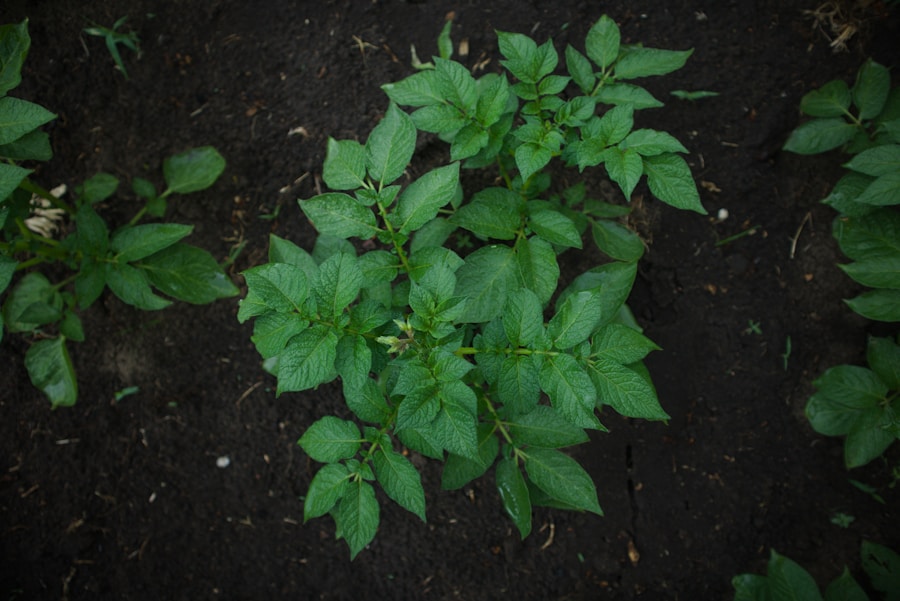
Growing potatoes in containers offers a multitude of benefits for gardeners, whether they have limited outdoor space or simply want to try a new method of cultivation. One of the primary advantages of container gardening is the ability to control the soil conditions, which is especially important for potatoes. By using a high-quality potting mix, gardeners can ensure that their potatoes receive the proper nutrients and drainage, leading to healthier plants and higher yields. Additionally, container gardening allows for easier pest and disease management, as the confined space makes it easier to monitor and treat any issues that may arise. Furthermore, growing potatoes in containers can extend the growing season, as the containers can be moved indoors or to a more sheltered location during periods of extreme weather. This flexibility can result in a longer harvest window and a more reliable crop overall.
Another benefit of growing potatoes in containers is the ability to maximize space and efficiency. For gardeners with limited outdoor space, containers offer a way to grow a substantial amount of potatoes in a small area. This is particularly advantageous for urban gardeners or those with small yards or balconies. Additionally, container gardening allows for better organization and management of the potato crop, as each container can be individually tended to and harvested. This can result in a more streamlined and efficient growing process, as well as a more visually appealing garden layout. Overall, growing potatoes in containers offers numerous benefits for gardeners of all experience levels, making it an attractive option for those looking to expand their gardening repertoire.
Choosing the Right Container for Potatoes
Selecting the right container for growing potatoes is crucial to the success of the crop. There are several factors to consider when choosing a container, including size, material, and drainage. The ideal container size for growing potatoes is at least 10-15 gallons, as this provides enough space for the plants to develop a healthy root system and produce a good yield. Additionally, larger containers can accommodate multiple potato plants, further maximizing the potential harvest. When it comes to material, containers made of breathable materials such as fabric or wood are preferred, as they allow for better air circulation and moisture control. Plastic containers can also be used, but it is important to ensure that they have adequate drainage holes to prevent waterlogging.
In addition to size and material, proper drainage is essential for growing potatoes in containers. Excess moisture can lead to rot and disease, so it is important to choose containers with sufficient drainage holes in the bottom. Additionally, elevating the containers on bricks or blocks can further improve drainage and prevent water from pooling around the roots. Ultimately, choosing the right container for growing potatoes is a critical step in ensuring a successful harvest. By considering factors such as size, material, and drainage, gardeners can set themselves up for a bountiful potato crop.
Selecting the Best Potato Varieties for Container Gardening
When it comes to selecting potato varieties for container gardening, there are several factors to consider, including size, yield, and maturity. Some potato varieties are better suited for container cultivation than others, so it is important to choose varieties that will thrive in a confined space. One consideration is the size of the potato plant, as some varieties are more compact and bushy, making them ideal for containers. Additionally, choosing varieties that produce high yields is important for maximizing the potential harvest from limited space. Some varieties are known for their prolific yields, making them well-suited for container gardening.
Another consideration when selecting potato varieties for container gardening is maturity time. Some varieties mature more quickly than others, which can be advantageous for gardeners with shorter growing seasons or those looking for an early harvest. Early-maturing varieties can also be beneficial for gardeners who want to stagger their harvests or grow multiple crops in a single season. Ultimately, selecting the best potato varieties for container gardening involves considering factors such as size, yield, and maturity time to ensure a successful and bountiful harvest.
Planting and Caring for Potatoes in Containers
Planting and caring for potatoes in containers requires attention to detail and proper technique to ensure a successful harvest. The first step in planting potatoes in containers is to prepare the soil and select high-quality seed potatoes. It is important to choose certified disease-free seed potatoes from a reputable source to ensure healthy plants and a good yield. Once the seed potatoes have been selected, they should be cut into pieces with at least one eye per piece and allowed to dry for a day or two before planting. This helps to prevent rot and encourages faster sprouting once planted.
After preparing the seed potatoes, it is time to plant them in the containers. The seed potatoes should be planted about 4-6 inches deep in the soil, with the eyes facing upward. It is important to space the seed potatoes evenly in the container to allow room for growth and prevent overcrowding. Once planted, the containers should be placed in a sunny location and watered regularly to keep the soil evenly moist. As the potato plants grow, it is important to provide support by hilling up the soil around the plants to encourage tuber development and prevent sunlight from reaching the developing potatoes. Additionally, regular fertilization with a balanced fertilizer can help promote healthy growth and higher yields. By following proper planting and care techniques, gardeners can ensure a successful potato crop in containers.
Maximizing Yield in Small Spaces
Maximizing yield in small spaces is a key consideration for gardeners growing potatoes in containers. There are several strategies that can be employed to maximize the potential harvest from limited space, including proper spacing, hilling, and variety selection. One important factor in maximizing yield is proper spacing of the potato plants within the containers. Overcrowding can lead to competition for resources and reduced yields, so it is important to space the plants evenly and provide enough room for growth. Additionally, hilling up the soil around the plants as they grow can help maximize yield by encouraging tuber development and preventing sunlight from reaching the developing potatoes.
Another strategy for maximizing yield in small spaces is selecting high-yielding potato varieties that are well-suited for container gardening. Some varieties are known for their prolific yields, making them ideal choices for gardeners looking to maximize their harvest from limited space. Additionally, choosing early-maturing varieties can allow for staggered harvests and multiple crops in a single season, further maximizing yield potential. By employing proper spacing, hilling techniques, and selecting high-yielding varieties, gardeners can maximize their potato harvests in small spaces.
Harvesting and Storing Container-Grown Potatoes
Harvesting and storing container-grown potatoes is an important final step in the growing process that requires careful attention to detail. The timing of potato harvest is crucial to ensure optimal flavor and storage quality. Potatoes should be harvested when the plants have died back and the skins have set, typically around 2-3 weeks after flowering. It is important to dig up the potatoes carefully to avoid damaging them, as bruised or cut potatoes will not store well. Once harvested, the potatoes should be cured by allowing them to dry in a cool, dark place for 1-2 weeks before storing.
Storing container-grown potatoes properly is essential to maintain their quality and flavor over time. Potatoes should be stored in a cool, dark place with good ventilation to prevent sprouting and rotting. It is important to avoid storing potatoes near onions or apples, as these fruits release gases that can cause potatoes to spoil more quickly. Additionally, it is important to check stored potatoes regularly for signs of spoilage or sprouting and remove any damaged or sprouted tubers to prevent further spoilage. By following proper harvesting and storage techniques, gardeners can enjoy their container-grown potatoes well into the winter months.
Tips for Success: Troubleshooting Common Issues in Container Potato Gardening
While growing potatoes in containers offers numerous benefits, there are also common issues that can arise during the growing process. One common issue is overwatering, which can lead to waterlogged soil and root rot. To prevent overwatering, it is important to use well-draining soil and containers with adequate drainage holes. Additionally, it is important to water consistently but not excessively, allowing the soil to dry out slightly between waterings.
Another common issue in container potato gardening is pests and diseases. Aphids, potato beetles, and fungal diseases such as late blight can all affect potato plants grown in containers. To prevent pest and disease issues, it is important to monitor plants regularly for signs of infestation or disease and take appropriate measures such as hand-picking pests or applying organic pest control methods when necessary.
In conclusion, growing potatoes in containers offers numerous benefits for gardeners of all experience levels. By choosing the right container, selecting suitable potato varieties, planting and caring for the plants properly, maximizing yield in small spaces, harvesting and storing the crop correctly, and troubleshooting common issues that may arise during cultivation, gardeners can enjoy a bountiful harvest of delicious homegrown potatoes year after year.
In addition, container gardening allows for greater control over soil quality and drainage, reduces the risk of pests and diseases, and makes it easier to move the plants to optimal sunlight or shelter during inclement weather. This method also minimizes the need for weeding and bending over, making it a more accessible option for individuals with physical limitations. Overall, growing potatoes in containers is a versatile and rewarding way to produce a plentiful supply of fresh, flavorful potatoes in a variety of outdoor spaces, from small urban balconies to expansive rural gardens.