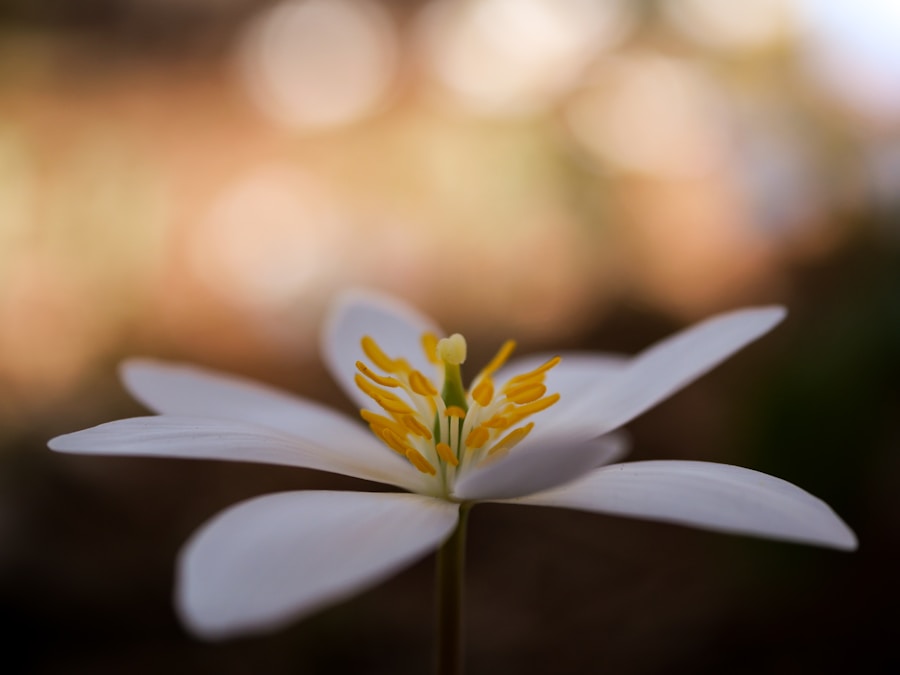
A comprehensive guide to the region’s native flora, this article aims to equip individuals with the knowledge to integrate native plants into their landscapes. The focus is on practical application and ecological understanding, rather than purely aesthetic appreciation.
Understanding Native Plants
Native plants are the lifeblood of a region’s ecosystems. They are the species that have evolved and occurred naturally in a specific geographical area for thousands of years, adapting to local soil conditions, climate, and wildlife. Unlike introduced species, which can sometimes outcompete native vegetation and disrupt ecological balance, natives form an intricate tapestry of species that support local biodiversity.
Defining “Native”
The term “native” establishes a historical and ecological connection. It refers to flora that existed in a particular territory prior to significant human introduction of non-native species. This definition is crucial because it acknowledges the long-standing evolutionary relationships between plants and their environment.
Geographic Scope
The definition of “native” is inherently tied to geography. What is considered native in one state or province may be an introduced species in another. Understanding the precise boundaries of your region is the first step in accurate native plant selection. This is not about arbitrary lines on a map, but about recognizing distinct ecological zones and their inhabitants.
Temporal Context
The “prior to significant human introduction” clause is important. While pinpointing an exact date can be challenging, in horticultural contexts, this generally refers to the period before widespread European settlement and the deliberate or accidental introduction of species from other continents. This temporal aspect recognizes the deep roots these plants have in the land.
Ecological Significance
Native plants are not merely decorative; they are fundamental components of functional ecosystems. Their presence underpins the health and resilience of the environments they inhabit.
Biodiversity Support
Native plants form the base of the food web. They provide food and shelter for a vast array of native insects, birds, and other wildlife. For example, specific caterpillars may feed only on the leaves of a particular native tree. Without these host plants, those insect populations, and consequently the birds that feed on them, cannot thrive. Your garden can become a vital stepping stone, a pocket of resilience in a fragmented landscape.
Soil Health and Water Cycles
The root systems of native plants are adapted to local soil structures. They can improve soil aeration, water infiltration, and nutrient cycling. Unlike plants that may require substantial irrigation to survive, natives are often drought-tolerant, conserving precious water resources. They act as natural filters, helping to maintain water quality.
Resilience to Local Conditions
Native plants have endured the region’s historical climate fluctuations, including periods of drought, extreme temperatures, and Pests. This inherent hardiness means they are often more resistant to local diseases and pests, requiring less intervention, such as chemical pesticides, once established. They are built for this environment.
Differentiating Native from Non-Native
Distinguishing between native and non-native species is a critical skill for responsible landscaping. Misidentification can lead to the inadvertent introduction of invasive plants.
Native vs. Exotic
Exotic, or non-native, plants are those introduced to a region outside of their natural range, often for ornamental purposes. While some exotics are benign, others can become invasive, aggressively spreading and displacing native vegetation.
Invasive Species
Invasive species pose a significant threat to native ecosystems. They often lack natural predators or diseases in their new environment, allowing them to proliferate unchecked. Their rapid spread can lead to a decline in biodiversity, alter habitat structure, and even impact human health and economic activities. Identifying and removing invasive species from your landscape is as important as planting native ones.
Benefits of Native Plant Landscaping
Incorporating native plants into your garden offers a multitude of advantages, extending beyond the aesthetic to encompass environmental and practical considerations.
Environmental Advantages
The ecological benefits of native plant landscaping are profound and far-reaching. They contribute to a healthier and more sustainable environment.
Increased Biodiversity
By planting native species, you directly provide food sources and habitat for local wildlife. This creates a ripple effect, supporting everything from beneficial insects like pollinators to birds and small mammals. Your landscape can transform into a vibrant microcosm of the natural world, a bustling hub of activity.
Water Conservation
Native plants are adapted to your region’s rainfall patterns. Once established, they typically require little to no supplemental watering, significantly reducing water consumption. This is a vital consideration in regions facing water scarcity or with high irrigation costs.
Reduced Chemical Use
The natural resilience of native plants means they are less susceptible to common pests and diseases. This often translates to a reduced need for pesticides and herbicides, leading to cleaner soil, water, and a safer environment for humans and wildlife.
Natural Pest Control
A diverse native plant garden can attract natural predators of common garden pests. For instance, certain flowering natives attract ladybugs, which then prey on aphids. This creates a balanced ecosystem within your garden.
Aesthetic Appeal
Native plants offer a unique and understated beauty that reflects the character of the region. Their textures, colors, and forms contribute to a harmonious and authentic landscape.
Regional Authenticity
Native plants connect your landscape to the local heritage and natural history. They create a sense of place that cannot be replicated by exotic species, offering a visual narrative of the region’s natural evolution.
Seasonal Interest
Many native plants offer continuous visual interest throughout the year. From spring blooms and summer foliage to fall color and winter structure, they provide a dynamic and ever-changing tableau.
Texture and Form
The diversity of native plant forms, from groundcovers and grasses to shrubs and trees, provides varied textures and architectural elements that enhance visual appeal. This variety can add depth and dimension to your design.
Maintenance and Cost-Effectiveness
While initial establishment requires attention, native plant landscapes generally demand less ongoing maintenance and can be more cost-effective in the long run.
Lower Maintenance Requirements
Once established, native plants are often self-sufficient, requiring minimal pruning, fertilizing, or watering. This frees up your time and resources for other activities.
Reduced Water Bills
The significant reduction in watering needs can lead to considerable savings on water bills, especially in arid or semi-arid regions.
Long-Term Cost Savings
While some native plants may have a higher initial purchase price, their longevity and reduced maintenance needs often make them more cost-effective over the lifespan of the landscape compared to repeatedly replacing less hardy or high-maintenance species.
Selecting the Right Native Plants for Your Region
Choosing the appropriate native plants involves careful consideration of your local conditions and desired landscape outcomes. This is not a haphazard selection process, but one grounded in understanding.
Site Assessment
Before selecting plants, it is imperative to thoroughly assess your planting site. This assessment will guide your choices and ensure plant success.
Sunlight Exposure
Observe the amount of sunlight your intended planting areas receive throughout the day and across different seasons. This dictates which plants will thrive.
- Full Sun: Areas receiving six or more hours of direct sunlight daily.
- Partial Sun/Shade: Areas receiving three to six hours of direct sunlight daily, often with morning sun and afternoon shade, or dappled light.
- Full Shade: Areas receiving less than three hours of direct sunlight daily, or filtered light.
Soil Type and Drainage
Understand the characteristics of your soil. Is it sandy, clay, loamy, or rocky? How well does it drain?
- Sandy Soils: Drain quickly, may be low in nutrients.
- Clay Soils: Retain moisture, can become compacted.
- Loamy Soils: A balanced mixture, generally fertile and well-draining.
- Drainage: Observe how quickly water recedes after rain. Poorly drained areas may require specific plant selections or soil amendments.
Moisture Levels
Evaluate the typical moisture conditions in your planting areas. Are they consistently dry, moist, or wet?
- Drought-Tolerant Plants: Suited for dry conditions.
- Moisture-Loving Plants: Prefer consistently damp soil but not waterlogged.
- Wetland Species: Require persistently saturated soil.
Plant Characteristics
When selecting plants, consider their mature size, growth habit, and any specific needs they may have.
Mature Size and Growth Habit
It is crucial to consider the ultimate size and shape of a plant to avoid overcrowding and to ensure it fits harmoniously within your landscape design.
- Understory Plants: Smaller trees and large shrubs that typically grow beneath a forest canopy.
- Groundcovers: Low-growing plants that spread to cover the soil.
- Grasses and Sedges: Offer texture and movement, often with varied heights.
Bloom Time and Wildlife Value
Consider the plant’s flowering period and its appeal to pollinators and other wildlife.
- Early Bloomers: Provide nectar and pollen for emerging pollinators in spring.
- Late Bloomers: Offer crucial resources for wildlife preparing for winter.
- Seed-Producing Plants: Attract birds and other seed-eating animals.
Regional Native Plant Resources
To ensure you are selecting plants truly native to your specific area, consult reliable regional resources.
Local Nurseries Specializing in Natives
These nurseries are invaluable sources of information and plants. Their staff are usually well-versed in regional native flora and can offer tailored advice.
Native Plant Societies and Organizations
These groups are dedicated to the promotion and conservation of native plants. They often host educational events, plant sales, and maintain databases of native species suitable for your region.
University Extension Offices
University extension programs provide research-based information on horticulture and ecology. They can offer guides and fact sheets specific to your state or county.
Designing with Native Plants
Integrating native plants into your landscape requires thoughtful design principles that honor their natural forms and ecological roles. This is about creating a landscape that is both beautiful and functional.
Creating Native Plant Communities
Mimicking natural plant communities is a cornerstone of successful native landscaping. This approach fosters resilience and biodiversity.
Layering Vegetation
Emulate the structure of natural ecosystems by incorporating different plant layers.
- Canopy Layer: Large trees forming the uppermost layer.
- Understory Layer: Smaller trees and large shrubs.
- Shrub Layer: Medium-sized shrubs.
- Herbaceous Layer: Perennial flowers, grasses, and ferns.
- Groundcover Layer: Low-growing plants.
This layering provides diverse habitats and visual complexity.
Grouping Plants with Similar Needs
Planting species with similar water, sunlight, and soil requirements together maximizes the success of individual plants and simplifies maintenance. This creates cohesive plant palettes.
Functional Design Elements
Consider how native plants can serve practical functions within your garden.
Pollinator Gardens
Dedicate specific areas to plants known to attract and support pollinators like bees, butterflies, and hummingbirds. This can be a vibrant and dynamic focal point.
- Nectar and Pollen Sources: Select a variety of plants with different bloom times and flower shapes to provide continuous food sources.
- Larval Host Plants: Include plants that serve as food for the caterpillars of specific butterfly species.
Rain Gardens
Construct rain gardens to capture and filter stormwater runoff from impervious surfaces. Native wetland and moisture-tolerant plants are ideal for these features.
- Water Infiltration: Rain gardens help reduce the amount of water flowing into storm drains, allowing it to soak into the ground.
- Erosion Control: Their established vegetation helps prevent soil erosion.
Wildlife Habitat Features
Beyond food sources, incorporate features that provide shelter and nesting opportunities for wildlife.
- Dense Shrubbery: Offers protection and nesting sites for birds.
- Snags (Standing Dead Trees): Provide habitat for insects and cavity-nesting birds, where safe to do so.
- Water Sources: A small pond or bird bath can attract a variety of wildlife.
Maintenance and Evolution of a Native Garden
A native garden is a dynamic entity that changes and matures over time. Understanding its evolving nature is key to its success.
Initial Establishment
The first year or two is critical for establishing deep root systems. Regular watering, especially during dry periods, is essential, even for drought-tolerant species.
Long-Term Care
Once established, native gardens generally require less intensive care than traditional ornamental gardens.
- Occasional Weeding: Competitive invasive weeds may need to be removed.
- Pruning: Minimal pruning may be needed for shape or to remove dead or damaged branches.
- Mulching: Helps retain moisture, suppress weeds, and improve soil over time.
Letting Nature Take Its Course
Resist the urge to over-manage. Native gardens often benefit from a degree of natural wildness. Allow fallen leaves to decompose, and tolerate a certain level of natural insect activity.
Planting and Care of Native Plants
Successful native plant establishment hinges on proper planting techniques and consistent, yet appropriate, care. This phase is where your efforts begin to bear fruit.
Sourcing Native Plants
The origin of your plants is as important as the species itself.
Reputable Native Plant Nurseries
These are the preferred sources. They ensure plants are correctly identified and ethically sourced, often propagated from local parent material.
Avoiding Roadside or Wild Collection
Collecting plants from the wild is generally discouraged, can be illegal, and can harm wild populations and ecosystems.
Planting Process
Following correct planting procedures minimizes transplant shock and promotes vigorous growth.
Timing for Planting
The ideal planting times vary by region but generally aim for cooler, moister periods.
- Fall Planting: Allows roots to establish over winter, often the preferred time for many perennials and shrubs.
- Spring Planting: Suitable when the ground can be worked, but may require more diligent watering during the initial dry spells.
Proper Planting Technique
The method of planting is crucial for root development.
- Digging the Hole: Excavate a hole that is two to three times wider than the root ball, but no deeper. The top of the root ball should be level with or slightly above the surrounding soil.
- Root Ball Preparation: Gently loosen any tightly circling roots on the root ball. If the plant is in a container, turn it out carefully.
- Backfilling and Watering: Fill the hole with the original soil. Water thoroughly to settle the soil and eliminate air pockets.
Watering and Mulching
These two practices are vital for the initial establishment and ongoing health of native plants.
Initial Watering Regimen
Even drought-tolerant natives require consistent moisture during their establishment period.
- Frequency: Water deeply and less frequently, rather than shallowly and often. This encourages roots to grow downwards.
- Monitoring Soil Moisture: Stick your finger into the soil near the plant. If it’s dry an inch or two down, it’s time to water.
The Role of Mulch
Mulch is a gardener’s ally in creating a healthy native plant environment.
- Moisture Retention: Reduces evaporation from the soil surface.
- Weed Suppression: Inhibits the germination of weed seeds.
- Temperature Regulation: Insulates the soil from extreme temperature fluctuations.
- Material Choice: Organic mulches like shredded bark, compost, or wood chips are generally preferred. Avoid mounding mulch against the plant stem, which can lead to rot.
Pest and Disease Management
A healthy native plant landscape is often its own best defense.
Encouraging Beneficial Insects
A diverse planting of natives naturally attracts predators that keep pest populations in check.
Observing Your Plants
Regular observation allows for early detection of any issues. Many minor problems can be addressed with simple interventions.
Integrated Pest Management (IPM)
When intervention is necessary, adopt an IPM approach that prioritizes non-chemical solutions.
- Manual Removal: Hand-picking larger pests.
- Water Spray: A strong jet of water can dislodge aphids and spider mites.
- Organic Controls: If necessary, opt for the least toxic organic pesticides as a last resort.
Expanding Your Native Plant Knowledge
The journey of understanding and utilizing native plants is ongoing. Continuous learning ensures your efforts remain effective and contribute to broader conservation goals.
Observing Native Ecosystems
Direct observation is a powerful teacher. Spend time in local natural areas to learn from established ecosystems.
Understanding Guilds and Associations
Observe which native plants grow together in natural settings. These natural groupings, or guilds, often indicate plants with compatible needs and complementary ecological roles.
Identifying Wildlife Interactions
Note which plants are being utilized by local wildlife for food, shelter, or nesting. This provides invaluable insights into plant value.
Reading and Research
Consulting authoritative sources can deepen your understanding and broaden your plant palette.
Regional Field Guides
Invest in comprehensive field guides specific to your state, province, or ecoregion. These are essential tools for identification.
Scientific Literature and Journals
For a more in-depth understanding of plant ecology and conservation, explore scientific journals and publications focused on botany and ecological restoration.
Citizen Science Projects
Engaging with citizen science initiatives can contribute valuable data and enhance your own learning.
Plant Surveys and Monitoring
Participate in local plant surveys or biodiversity monitoring projects. This offers hands-on experience and contributes to scientific understanding.
Invasive Species Reporting
Learn to identify and report invasive species. Many regions have apps or websites dedicated to this purpose.
Regional Native Plant Events and Workshops
Take advantage of educational opportunities offered by local organizations.
Plant Sales and Identification Walks
These events are excellent for discovering new plants, getting expert advice, and networking with fellow enthusiasts.
Workshops on Native Landscaping and Ecology
Attend workshops covering topics such as native plant propagation, ecological design, or specific regional flora.
Native plant landscaping is more than just a trend; it is a fundamental shift towards creating more sustainable, resilient, and ecologically sound environments. By embracing the beauty and functionality of your region’s native flora, you not only enhance your own landscape but also contribute to the health and vitality of the natural world.