Mulch is an essential component of any garden, providing a range of benefits that can help to improve the health and appearance of your plants. One of the primary functions of mulch is to help retain moisture in the soil, which is particularly important during hot and dry periods. By covering the soil with a layer of mulch, you can reduce evaporation and ensure that your plants have a consistent supply of water. In addition to retaining moisture, mulch also helps to regulate soil temperature, keeping it cooler in the summer and warmer in the winter. This can create a more stable environment for your plants, allowing them to thrive throughout the year.
Another important benefit of mulch is its ability to suppress weeds. By creating a barrier between the soil and the air, mulch can prevent weed seeds from germinating and taking root in your garden. This can save you time and effort in the long run, as you won’t have to spend as much time weeding your garden. Additionally, mulch can help to improve soil structure and fertility over time, as it breaks down and adds organic matter to the soil. This can create a healthier growing environment for your plants, leading to stronger, more vibrant growth.
Types of Mulch: Organic vs. Inorganic
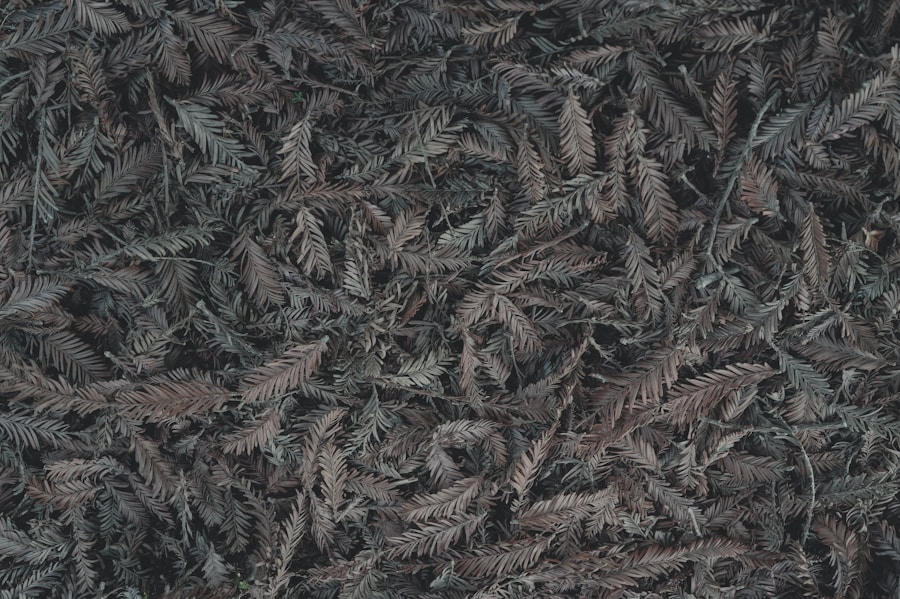
When it comes to choosing mulch for your garden, you have two main options: organic and inorganic. Organic mulches are made from natural materials such as wood chips, straw, leaves, and grass clippings. These types of mulches break down over time, adding organic matter to the soil and improving its structure and fertility. Inorganic mulches, on the other hand, are made from materials such as plastic, rubber, or stone. These types of mulches do not break down and can be more long-lasting, but they do not provide the same benefits to the soil as organic mulches.
Organic mulches are generally preferred for their ability to improve soil health and fertility, as well as their ability to retain moisture and suppress weeds. Inorganic mulches, however, can be useful in certain situations where long-term durability is important, such as in high-traffic areas or around trees and shrubs. Ultimately, the choice between organic and inorganic mulch will depend on your specific needs and preferences, as well as the requirements of your garden.
Factors to Consider When Choosing Mulch
When choosing mulch for your garden, there are several factors to consider to ensure that you select the right type for your needs. One important factor to consider is the climate in your area. If you live in a hot and dry climate, you may want to choose a mulch that is particularly effective at retaining moisture, such as wood chips or straw. On the other hand, if you live in a wet climate, you may want to choose a mulch that allows for good drainage, such as gravel or stone.
Another factor to consider is the type of plants you are growing. Some plants may have specific requirements when it comes to mulch, such as acidic soil conditions or a particular texture or composition. It’s important to research the needs of your plants and choose a mulch that will support their growth and health. Additionally, you’ll want to consider the aesthetic appeal of the mulch, as well as its cost and availability. By taking these factors into account, you can ensure that you choose a mulch that will provide the best possible benefits for your garden.
Popular Mulch Options and Their Benefits
There are many different types of mulch available, each with its own unique benefits and characteristics. One popular option is wood chips, which are made from shredded or chipped wood and are particularly effective at retaining moisture and suppressing weeds. Wood chips also break down slowly, adding organic matter to the soil and improving its structure over time. Another popular organic mulch option is straw, which is lightweight and easy to spread. Straw is particularly effective at retaining moisture and regulating soil temperature, making it a great choice for vegetable gardens and flower beds.
Inorganic mulch options include materials such as gravel, stone, and rubber. Gravel and stone are particularly durable and long-lasting, making them ideal for high-traffic areas or around trees and shrubs. Rubber mulch is made from recycled tires and is also long-lasting, as well as providing good weed suppression. Each type of mulch has its own unique benefits, so it’s important to consider your specific needs and preferences when choosing the right option for your garden.
How to Apply Mulch to Your Garden
Once you’ve chosen the right type of mulch for your garden, it’s important to apply it properly to ensure that you get the maximum benefits. The first step is to prepare the area by removing any existing weeds or debris and loosening the soil if necessary. Next, spread a layer of mulch around your plants, making sure to leave a small gap around the base of each plant to allow for air circulation. The ideal thickness of the mulch layer will depend on the type of mulch you are using, but generally, a depth of 2-4 inches is recommended.
It’s important to apply mulch evenly and avoid piling it up against tree trunks or plant stems, as this can create a moist environment that encourages pests and disease. Additionally, be sure to water the area thoroughly after applying the mulch to help it settle into place and begin its work of retaining moisture and suppressing weeds. By following these steps, you can ensure that your mulch is applied effectively and provides the maximum benefits for your garden.
Maintaining and Replenishing Mulch
Once you’ve applied mulch to your garden, it’s important to maintain it properly to ensure that it continues to provide benefits over time. One important aspect of maintaining mulch is replenishing it regularly to maintain the desired thickness and effectiveness. Over time, organic mulches will break down and decompose, so it’s important to add new layers as needed to maintain the desired depth. Inorganic mulches may also need occasional replenishment due to erosion or displacement.
In addition to replenishing mulch, it’s important to monitor its condition regularly and make any necessary adjustments. For example, if you notice that the mulch is becoming matted or compacted, you may need to fluff it up with a rake to improve air circulation and prevent moisture buildup. It’s also important to keep an eye out for any signs of pests or disease that may be attracted to the mulch, such as slugs or mold. By maintaining your mulch properly, you can ensure that it continues to provide the maximum benefits for your garden.
Troubleshooting Common Mulch Problems
While mulch can provide a range of benefits for your garden, there are also some common problems that can arise when using mulch. One common issue is mold or fungus growth on the surface of the mulch, which can occur when moisture becomes trapped beneath the layer of mulch. To prevent this problem, be sure to water your garden carefully and avoid overwatering, as well as ensuring that there is adequate air circulation around your plants.
Another common problem with mulch is pest infestations, such as slugs or snails that may be attracted to the moist environment created by the mulch. To prevent pest problems, be sure to monitor your garden regularly for signs of pests and take appropriate measures to control them if necessary. Additionally, be sure to avoid using certain types of mulch that may attract pests more easily, such as straw or grass clippings.
In conclusion, mulch is an essential component of any garden that provides a range of benefits for your plants and soil. By understanding the different types of mulch available and considering factors such as climate and plant requirements, you can choose the right type of mulch for your garden. By applying and maintaining your mulch properly, you can ensure that it continues to provide maximum benefits over time while avoiding common problems such as mold or pest infestations. With proper care and attention, mulch can help you create a healthy and vibrant garden that thrives throughout the year.