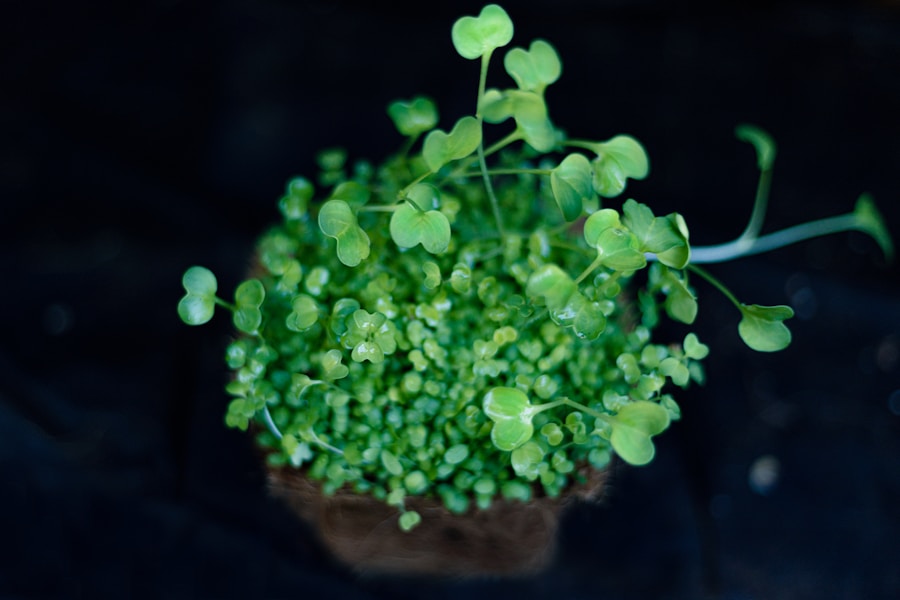
Microgreens are young, edible greens that are harvested just after the first true leaves have developed. They are smaller than baby greens and larger than sprouts, typically measuring 1-3 inches in height. Microgreens come in a variety of colors, textures, and flavors, making them a popular choice for chefs and home cooks alike. They are often used as a garnish or to add a pop of flavor and nutrition to dishes. Common microgreens include arugula, kale, radish, and broccoli, but there are many other varieties to choose from.
Microgreens are packed with nutrients, including vitamins, minerals, and antioxidants. They are also low in calories and high in fiber, making them a great addition to a healthy diet. In addition to their nutritional benefits, microgreens are also easy to grow at home, making them a convenient and cost-effective way to add fresh greens to your meals.
Health Benefits of Microgreens
Microgreens are not only delicious, but they also offer a wide range of health benefits. These tiny greens are packed with nutrients, including vitamins A, C, and K, as well as essential minerals like potassium and iron. They are also rich in antioxidants, which can help protect the body from oxidative stress and reduce the risk of chronic diseases such as heart disease and cancer.
In addition to their nutritional content, microgreens are also a good source of fiber, which can aid in digestion and help maintain a healthy weight. Some studies have even suggested that microgreens may have higher nutrient levels than their mature counterparts, making them an excellent addition to any diet. With their vibrant colors and intense flavors, microgreens can add a burst of freshness and nutrition to any meal.
How to Grow Microgreens at Home
Growing microgreens at home is a simple and rewarding process that requires minimal space and equipment. To get started, you will need a shallow container, such as a seedling tray or a plastic clamshell container, as well as some potting soil or a growing medium specifically designed for microgreens. You will also need seeds of your choice, which can be purchased from a local garden center or online.
To begin, fill your container with the growing medium and sprinkle the seeds evenly over the surface. Gently press the seeds into the soil and cover them with a thin layer of growing medium. Water the seeds lightly and place the container in a warm, sunny spot. Within a few days, you should start to see the seeds germinate and grow into young seedlings. Keep the soil moist but not waterlogged, and within 1-2 weeks, your microgreens should be ready to harvest.
Different Types of Microgreens to Grow
There are countless varieties of microgreens to choose from, each with its own unique flavor and nutritional profile. Some popular options include arugula, kale, radish, broccoli, mustard greens, and sunflower shoots. These greens can be grown individually or mixed together to create a custom blend of flavors and textures.
When selecting seeds for your microgreens, it’s important to choose high-quality, organic seeds that are specifically labeled for microgreen production. This will ensure that your greens are free from pesticides and other harmful chemicals. Experiment with different varieties to find your favorites, and don’t be afraid to try new and unusual options. With so many choices available, there is sure to be a microgreen that suits your taste preferences.
Ways to Incorporate Microgreens into Your Diet
There are countless ways to incorporate microgreens into your diet, from simple salads to smoothies and sandwiches. These tiny greens can add a burst of flavor and nutrition to any dish, making them a versatile and convenient ingredient. Try sprinkling microgreens over soups and stews for a pop of color and freshness, or use them as a garnish for grilled meats and seafood.
You can also blend microgreens into homemade pesto or salad dressings for an extra boost of flavor and nutrients. For a quick and healthy snack, try layering microgreens onto whole grain crackers or adding them to avocado toast. The possibilities are endless when it comes to using microgreens in the kitchen, so don’t be afraid to get creative and experiment with different recipes.
Environmental Benefits of Growing Microgreens
In addition to their health benefits, microgreens also offer several environmental advantages. Because they can be grown indoors year-round, microgreens require minimal space and resources compared to traditional gardening methods. This makes them an ideal option for urban dwellers or anyone with limited outdoor space.
Growing microgreens at home also reduces the need for transportation and packaging associated with store-bought produce, which can help lower your carbon footprint. By growing your own microgreens, you can enjoy fresh, nutritious greens while minimizing your impact on the environment.
Tips for Successfully Growing and Eating Microgreens at Home
To ensure successful growth of your microgreens at home, it’s important to provide them with adequate light, water, and air circulation. Place your containers in a sunny spot or use grow lights to provide the necessary light for healthy growth. Water your microgreens regularly, being careful not to overwater or let the soil dry out completely.
When it comes time to harvest your microgreens, use clean scissors to snip the greens just above the soil line. Rinse them thoroughly before using them in your recipes to remove any dirt or debris. Store any leftover microgreens in the refrigerator in a sealed container lined with paper towels to help absorb excess moisture.
Incorporating microgreens into your diet is easy and delicious. Try adding them to salads, sandwiches, wraps, omelets, or even as a topping for pizza. Their vibrant colors and fresh flavors will elevate any dish while providing a nutritional boost.
In conclusion, microgreens are a versatile and nutritious addition to any diet. With their health benefits, ease of growth at home, and environmental advantages, there’s no reason not to start incorporating these tiny greens into your meals today. Whether you’re an experienced gardener or new to growing your own food, microgreens are an accessible way to enjoy fresh greens year-round. So why not give them a try? Your taste buds and your body will thank you!