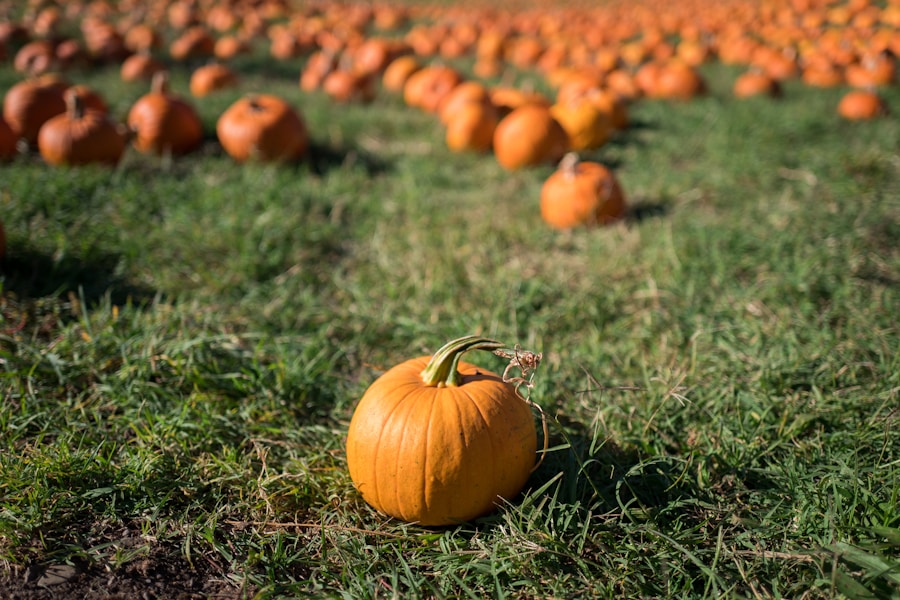
The fall harvest season is a time of abundance and plenty, as farmers and gardeners reap the rewards of their hard work throughout the year. It is a time when the fruits of the earth are gathered and celebrated, marking the end of the growing season and the beginning of the colder months ahead. The fall harvest season is a time of gratitude and thanksgiving, as people come together to share in the bounty of the land. It is a time to reflect on the cycle of life and the interconnectedness of all living things.
The fall harvest season is also a time of transition, as the days grow shorter and the temperatures begin to drop. It is a time when nature prepares for the long winter ahead, and animals and plants alike begin to store up food and resources to sustain them through the cold months. The fall harvest season is a time of both celebration and preparation, as people gather together to enjoy the fruits of their labor while also making plans for the coming winter. It is a time to savor the flavors of the season and to appreciate the beauty of nature’s bounty.
Best Vegetables for Fall Harvest
There are many vegetables that thrive in the cooler temperatures of the fall season, making it an ideal time to grow a variety of crops. Some of the best vegetables for fall harvest include root vegetables such as carrots, beets, and turnips, which can be stored for long periods of time and provide a hearty source of nutrition throughout the winter months. Leafy greens such as kale, spinach, and Swiss chard also do well in the fall, and can be harvested well into the colder months. Other popular fall vegetables include broccoli, cauliflower, Brussels sprouts, and winter squash, all of which can be grown in a variety of climates and soil types.
One of the benefits of growing fall vegetables is that they tend to be more flavorful and nutritious than their summer counterparts, as the cooler temperatures help to concentrate their sugars and flavors. Fall vegetables also tend to be more resistant to pests and diseases, making them easier to grow without the need for chemical pesticides. Additionally, many fall vegetables can be stored for long periods of time, providing a sustainable source of food throughout the winter months.
Tips for Growing Fall Vegetables
Growing fall vegetables requires some careful planning and preparation, but with the right techniques, it can be a rewarding and bountiful experience. One important consideration when growing fall vegetables is to choose varieties that are well-suited to cooler temperatures and shorter daylight hours. It is also important to plant fall vegetables at the right time, allowing them enough time to mature before the first frost. In some climates, it may be necessary to protect fall vegetables from early frosts by covering them with row covers or cold frames.
Another important aspect of growing fall vegetables is to provide them with adequate water and nutrients, as they will need extra support to thrive in the cooler temperatures. Adding compost or organic fertilizer to the soil can help to provide essential nutrients, while regular watering will help to keep plants healthy and productive. It is also important to keep an eye out for pests and diseases, as fall vegetables can be susceptible to certain issues such as powdery mildew and aphids. By practicing good garden hygiene and monitoring plants closely, it is possible to prevent many common problems before they become serious issues.
How to Preserve Fall Harvest Vegetables
Preserving fall harvest vegetables is an important part of making the most of the season’s bounty and ensuring a sustainable source of food throughout the winter months. There are many different methods for preserving fall vegetables, including canning, freezing, drying, and fermenting. Canning is a popular method for preserving fall vegetables such as tomatoes, pickles, and relishes, as it allows them to be stored at room temperature for long periods of time. Freezing is another common method for preserving fall vegetables, as it helps to retain their flavor and nutritional value while also allowing for easy storage.
Drying fall vegetables is a traditional method of preservation that can be used for items such as herbs, peppers, and mushrooms. By removing moisture from the vegetables, they can be stored for long periods of time without spoiling. Fermenting fall vegetables is another popular method of preservation, as it not only extends their shelf life but also adds beneficial probiotics to the diet. By fermenting items such as cabbage, cucumbers, and carrots, it is possible to create delicious and nutritious foods that can be enjoyed throughout the winter months.
Recipes for Fall Harvest Vegetables
There are countless delicious recipes that can be made using fall harvest vegetables, allowing people to enjoy their bounty in a variety of ways. One popular way to enjoy fall vegetables is by roasting them with herbs and spices, which helps to bring out their natural flavors and sweetness. Roasted root vegetables such as carrots, parsnips, and sweet potatoes make a delicious side dish or can be added to salads or grain bowls for a hearty meal. Another popular way to enjoy fall vegetables is by making soups and stews, which can be made using a variety of ingredients such as squash, kale, and beans.
Fall vegetables also lend themselves well to pickling and fermenting, allowing people to enjoy their flavors throughout the winter months. Pickled beets, fermented sauerkraut, and spicy pickles are just a few examples of delicious recipes that can be made using fall harvest vegetables. Additionally, fall vegetables can be used in a variety of baked goods such as pies, tarts, and breads, adding both flavor and nutrition to these traditional treats.
Importance of Fall Harvest in Sustainable Living
The fall harvest season plays a crucial role in sustainable living by providing a source of fresh, local food that can be enjoyed throughout the winter months. By growing and preserving fall vegetables, people can reduce their reliance on imported produce and processed foods, thereby reducing their carbon footprint and supporting local agriculture. Additionally, fall harvest vegetables tend to be more nutritious than their store-bought counterparts, as they are often grown using organic methods and picked at peak ripeness.
The fall harvest season also provides an opportunity for people to connect with nature and appreciate the beauty of the changing seasons. By savoring the flavors of fall vegetables and celebrating the abundance of the land, people can develop a deeper appreciation for the natural world and their place within it. The fall harvest season also provides an opportunity for people to come together as a community, sharing in the bounty of the land and supporting local farmers and gardeners. By celebrating the fall harvest season, people can foster a sense of gratitude and connection to the earth that can inspire them to live more sustainably throughout the year.
Celebrating the Fall Harvest Season
There are many ways to celebrate the fall harvest season, from hosting community potlucks to attending local farmers’ markets and festivals. One popular way to celebrate the fall harvest season is by hosting a farm-to-table dinner, where people come together to enjoy a meal made from locally grown produce. This not only allows people to savor the flavors of the season but also supports local farmers and promotes sustainable agriculture.
Another popular way to celebrate the fall harvest season is by participating in traditional activities such as apple picking, pumpkin carving, and hayrides. These activities not only provide an opportunity for people to connect with nature but also create lasting memories and traditions that can be passed down through generations. Additionally, many communities host fall harvest festivals that feature live music, local food vendors, and activities for people of all ages. These festivals provide an opportunity for people to come together as a community and celebrate the abundance of the land while supporting local businesses.
In conclusion, the fall harvest season is a time of abundance and celebration that plays a crucial role in sustainable living. By growing, preserving, and enjoying fall harvest vegetables, people can reduce their reliance on imported produce and processed foods while supporting local agriculture. The fall harvest season also provides an opportunity for people to connect with nature, appreciate the changing seasons, and come together as a community. By celebrating the fall harvest season, people can foster a sense of gratitude and connection to the earth that can inspire them to live more sustainably throughout the year.