Weeds have a way of finding every crack in a driveway or patio, and they’ll happily push up through mulch beds too. That’s easy enough to deal with when the area is far from anything you’re growing to eat. It gets trickier when those weeds are sprouting a few feet from your tomatoes or lettuce, and you’d rather not spray a chemical herbicide anywhere nearby. A homemade spray made from vinegar, dish soap, and salt is a gentler option for exactly that situation, and it only takes a few pantry staples to mix up.
Why Reach for a Homemade Weed Killer Near Vegetables
Commercial herbicides are built to be effective, but that also means you probably don’t want them drifting onto vegetables you plan to harvest and eat. A vinegar-based spray gives you a way to knock back weeds in hardscape cracks or mulch beds without introducing those chemicals into the same space as your food crops. It’s not a substitute for careful weed prevention everywhere in the yard, but for spot-treating cracks, joints, and mulch areas close to edible plants, it’s a solid option to keep in your back pocket.
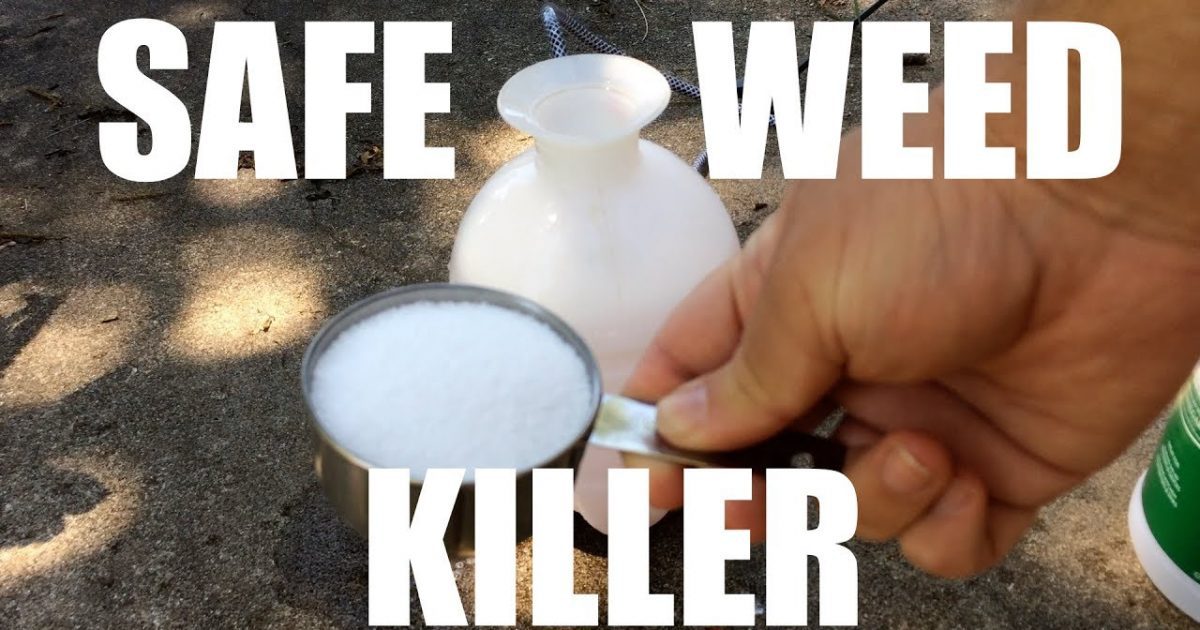
The Vinegar, Dish Soap, and Salt Recipe
The mix itself is straightforward:
- 1 gallon of vinegar
- 1 cup of dish soap
- 1/2 cup of salt
Combine the three in a sprayer and apply directly to the weeds you’re targeting. The dish soap helps the solution stick to leaves and stems instead of just running off, while the vinegar and salt do the work of drying the plant out.
Timing Your Application for Stronger Results
When you spray matters almost as much as what you spray. Applying during the hottest part of the day, or just before it, means the plant is actively pulling in more moisture, and it will draw in more of the solution along with it. If the area gets some shade during part of the day, aim for a sunny window when the plant is working hardest to take up water.
What to Expect After Spraying
This treatment is mostly effective on above-ground growth. It won’t necessarily kill off the entire root system in one application, so don’t be surprised if a weed you sprayed a few days ago starts showing new green growth. Within about a day of spraying, you should start to see the leaves bleaching out and dying back. If you spot any green remaining, just spray it again the next day, and keep repeating until the plant is fully gone. It’s a process of wearing the weed down rather than a single knockout hit.
A Few Things to Keep in Mind
Salt and vinegar both affect soil chemistry, so this spray is best used as a spot treatment in cracks, patio joints, and mulch beds rather than a broad application across a lawn or garden bed. Repeated heavy use in the same spot can build up salt in the soil over time, which isn’t something you want near the root zone of nearby vegetables. Keep your spraying targeted to the weeds themselves and avoid soaking the surrounding soil when you can.
If you’re just getting your gardening routine dialed in, our tips for beginner gardeners cover a lot of the fundamentals that pair well with a technique like this one. You can also browse more hands-on projects like this one in our garden how-to collection. And if you want more chances to win seeds and garden gear along the way, our big giveaway is worth a look too.
Key Takeaways
- Mix 1 gallon of vinegar, 1 cup of dish soap, and 1/2 cup of salt for a homemade weed spray.
- This is a gentler option than chemical herbicides when weeds are close to vegetables you plan to eat.
- Spray during or just before the hottest part of the day so the plant absorbs more of the solution.
- Expect leaf bleaching and die-back within about a day, with roots sometimes surviving the first application.
- Reapply on any regrowth until the plant is fully dead.
- Use it as a spot treatment for cracks and mulch beds rather than a broad lawn or bed application.
Recommended Gardening Supplies
If you want to see the tools, beds, and supplies I actually recommend, I keep my favorites organized here.
👉 Browse my recommended gardening supplies
Want More Practical Gardening Tips?
I share simple, useful gardening tips each week — no fluff.