Designing a garden that offers beauty throughout the year requires careful planning and a nuanced understanding of plant characteristics. This guide, “Mastering the Four Seasons,” outlines principles and practices for cultivating a landscape with sustained visual interest, moving beyond fleeting seasonal displays. It emphasizes strategic plant selection, structural elements, and maintenance practices to ensure a garden remains a vibrant and engaging space regardless of the prevailing weather.
Understanding Seasonal Cycles in Garden Design
To design a garden with year-round appeal, one must first recognize the distinct characteristics of each season and how they influence plant life and landscape aesthetics. Each season presents unique challenges and opportunities, acting as a different layer in the garden’s overall narrative.
Spring: The Awakening
Spring is characterized by renewed growth and flowering. The garden transitions from dormancy to vibrant activity. This period offers the first flush of color and new foliage.
- Bulb Plantings: Early spring interest is often provided by bulbs such as crocus, daffodils, tulips, and hyacinths. These can be naturalized under deciduous trees or in perennial borders. Layering bulbs with different bloom times extends their display.
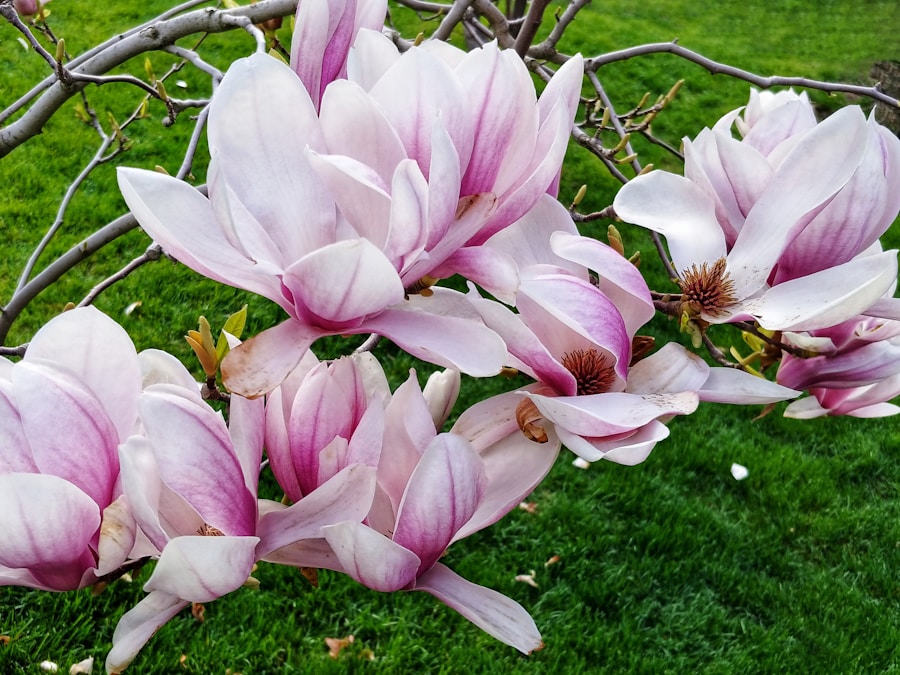
- Deciduous Shrubs and Trees: Many deciduous plants offer early spring flowers, like Forsythia, ornamental cherries, and dogwoods. Consider their mature size and bloom duration.
- Perennial Emergence: Observe the gradual emergence of perennial plants. Their new shoots and developing foliage contribute textural interest even before flowering.
Summer: The Full Bloom
Summer typically brings the most abundant flowering and lush foliage. The garden reaches its peak in terms of green growth and floral display. However, managing summer vibrancy is crucial to avoid a mid-season slump.
- Extended Bloomers: Select perennials and annuals known for long blooming periods. Examples include coneflowers, salvia, coreopsis, and many varieties of roses.
- Foliage Diversity: Focus on foliage color and texture. Plants with variegated leaves, deep purple foliage, or fine textures add visual depth even when not in flower. Hostas, heuchera, and ornamental grasses are valuable for this purpose.
- Succession Planting: Plan for continuous bloom by planting species that flower at different times. As early summer plants fade, others should be preparing to open.
Autumn: The Transition
Autumn offers a different kind of beauty, characterized by changing leaf colors, seed heads, and late-season flowers. This season can be as visually impactful as spring.
- Fall Foliage: Deciduous trees and shrubs are the primary contributors to autumn color. Maples, oaks, dogwoods, and many viburnums offer brilliant displays. Consider the color palette desired.
- Late-Season Blooms: Certain perennials extend the flowering season into autumn, including asters, chrysanthemums, and sedum. These provide nectar for late-season pollinators.
- Seed Heads and Berries: The dried structures of ornamental grasses and perennials, along with berried shrubs like hollies and crabapples, offer textural interest and food for wildlife through late autumn and into winter.
Winter: The Skeleton and Structure
Winter exposes the garden’s underlying structure. While dormant, the garden still offers opportunities for visual appeal through evergreens, bark, and architectural elements. This is where the garden’s bones are revealed.
- Evergreen Plants: Conifers (pines, spruces, firs, junipers) and broadleaf evergreens (rhododendrons, camellias, hollies) provide year-round color and form. Their mature size and shape are critical considerations.
- Bark Interest: Some deciduous trees and shrubs have distinctive bark that becomes prominent in winter. Examples include birch (peeling bark), dogwood (red stems), and Acer griseum (cinnamon-colored peeling bark).
- Garden Structures: Hardscaping elements like stone walls, pathways, pergolas, and statuary become more prominent without the obscuring foliage of summer. These provide visual anchors.
Plant Selection for Continuous Interest
The cornerstone of a four-season garden is thoughtful plant selection. Each plant chosen should contribute to the garden’s aesthetic value during at least one season, and ideally more.
Prioritizing Multi-Seasonal Performers
Many plants offer interest across multiple seasons, reducing the need for an overwhelming number of species and contributing to a cohesive design.
- Flowering and Berrying Shrubs: Examples include viburnums, which often have attractive flowers in spring, good foliage in summer, fall color, and persistent berries in winter.
- Ornamental Grasses: These provide texture and movement from spring through winter, with seed heads remaining into cold months. Their dormant forms can be striking.
- Deciduous Trees with Autumn Color and Interesting Bark: Plants like certain maples offer spring flowers, summer shade, spectacular autumn foliage, and attractive bark in winter.
Layering Plants by Height and Texture
Creating layers within the garden mimics natural ecosystems and ensures visual depth throughout the year.
- Groundcovers and Low-Growing Perennials: These form the base layer, suppressing weeds and adding texture. Examples include sedum, creeping thyme, and various mosses.
- Mid-Height Perennials and Shrubs: This layer provides the bulk of seasonal color and foliage. Group similar plants for impact, or intersperse for a more naturalistic feel.
- Tall Shrubs and Trees: These form the backdrop and provide vertical elements, defining the garden’s boundaries and offering shade.
Incorporating Evergreen Material
Evergreens are indispensable for winter interest, providing a consistent green foundation when deciduous plants are bare.
- Conifers: Pines, spruces, and firs offer a wide range of sizes, shapes, and textures. Consider dwarf varieties for smaller spaces.
- Broadleaf Evergreens: Rhododendrons, hollies, and camellias provide year-round foliage and often offer seasonal flowers or berries. Ensure these are suitable for the local climate and soil conditions.
- Evergreen Perennials and Grasses: Some varieties, such as hellebores, certain sedges, and dwarf conifers, can add evergreen texture to the foreground.
Structural Elements and Hardscaping
Beyond living plants, permanent structures and hardscaping contribute significantly to year-round aesthetics, providing bone and definition when green elements recede. These elements are the enduring framework of the garden.
Defining Spaces with Hardscaping
Hard elements, such as paths and patios, serve both practical and aesthetic purposes, creating order and flow.
- Pathways: Materials like gravel, stepping stones, or paving slabs create circulation routes and visual lines. Their texture and color impact the garden’s overall feel.
- Patios and Seating Areas: These invite habitation and offer vantage points for viewing the garden. Consider materials that complement the surrounding landscape.
- Walls and Fences: These provide privacy, delineate boundaries, and can serve as backdrops for planting. Material choice, such as stone, brick, or wood, informs the garden’s style.
Incorporating Architectural Features
Features beyond purely functional hardscaping can add focal points and artistic interest, especially during winter.
- Pergolas and Arbors: These structures add vertical interest and can support climbing plants, providing shade in summer and sculptural form in winter.
- Statuary and Sculptures: Carefully placed artwork can provide focal points and reflect the garden’s style. Consider materials that withstand weather.
- Water Features: Ponds, fountains, or bird baths introduce sound and movement, and can remain visually interesting even when partially frozen. Ensure proper winterization.
Providing Winter Focal Points
With the absence of lush foliage, elements that stand out in winter become more important.
- Specimen Trees: A striking tree with unique bark or form takes center stage.
- Evergreen Topiary: Sculpted evergreens provide formal structure and constant green interest.
- Containers: Weather-resistant containers filled with evergreen plants or winter-interest branches can add localized color and texture.
Maintenance and Observation
A garden is a dynamic entity, requiring ongoing care and observation to maintain its year-round appeal. The gardener acts as a steward, guiding its evolution.
Seasonal Pruning Techniques
Pruning is not just about tidiness; it influences plant health, shape, and flowering. Different seasons dictate different approaches.
- Spring Pruning: Remove winter damage and shape deciduous shrubs. Prune spring-flowering shrubs after they bloom.
- Summer Pruning: Deadhead spent flowers to encourage rebloom. Lightly prune to maintain shape.
- Autumn Pruning: Generally minimal, focusing on removing any unsafe or diseased branches. Avoid heavy pruning which can stimulate new growth vulnerable to frost.
- Winter Pruning: Dormant pruning for deciduous trees and shrubs to improve structure and remove crossing branches.
Managing Seasonal Challenges
Each season presents specific environmental conditions that require attention.
- Watering: Critical during dry periods, especially for newly planted species. Consider drip irrigation for efficiency.
- Pest and Disease Management: Regular inspection helps catch issues early. Employ integrated pest management practices.
- Weeding: Constant vigilance prevents weeds from competing with desirable plants for resources.
- Winter Protection: For tender plants, consider mulching, wrapping, or relocating to sheltered areas.
Documenting and Adapting
A garden is a living canvas and an ongoing experiment. Documentation aids in refining its design over time.
- Garden Journal: Record bloom times, plant performance, pest issues, and design ideas. This provides a valuable historical record.
- Seasonal Photography: Taking photos throughout the year helps identify gaps in seasonal interest and tracks growth.
- Annual Review: At the end of each year, reflect on what worked well and what could be improved. This informs future plant selections and design adjustments.
Case Studies and Examples
Observing successful four-season gardens provides practical insight into applying these principles. These examples demonstrate the harmonious integration of diverse elements.
The Japanese Garden
Japanese gardens are renowned for their year-round beauty, emphasizing structure, texture, and subtle seasonal shifts.
- Elements: Often include carefully chosen evergreens, mosses, rocks, water features, and limited flowering plants.
- Winter Appeal: The bare branches of deciduous trees, the sculptural forms of pines, and the patterns created by raked gravel become prominent.
- Autumn Appeal: Japanese maples provide stunning fall foliage.
The Formal European Parterre
While often associated with summer, formal gardens can maintain structure and appeal through all seasons.
- Elements: Defined hedges (often evergreen), geometric patterns, statuary, and gravel paths.
- Winter Appeal: The strong architectural lines of hedges and parterres maintain their form even under snow. Statues and urns become focal points.
- Spring Appeal: Early bulbs might be incorporated within the formal beds, or along borders.
The Naturalistic Woodland Garden
Designed to mimic natural woodland environments, these gardens often excel at year-round interest.
- Elements: A diverse understory of shade-loving plants, native trees and shrubs, and naturalistic pathways.
- Winter Appeal: The varied bark textures of trees, the persistent seed heads of perennials, and the subtle forms of hellebores provide interest.
- Spring Appeal: A flush of ephemerals in the understory takes advantage of sunlight before tree canopies fully emerge.
Conclusion
Designing a garden with year-round appeal demands a holistic approach, moving beyond transient bursts of color to cultivate sustained interest. It involves understanding plant characteristics across all seasons, strategic selection of multi-seasonal performers, and the thoughtful integration of structural elements. By observing, adapting, and employing consistent maintenance, a gardener can craft a landscape that offers visual richness and engagement throughout the entire calendar year. The garden, through this deliberate design, becomes a constant source of discovery, reflecting the subtle and dramatic shifts of nature with grace and enduring beauty.