From Seed to Table: Cultivating and Enjoying Homegrown Fruits
This guide outlines the process of growing fresh fruits from a personal garden, covering site selection, plant choice, cultivation techniques, and harvesting. It aims to provide a practical framework for individuals seeking to produce their own fruit.
I. Planning Your Fruit Garden
Successful fruit cultivation begins with careful planning. This involves assessing your environment and selecting the most suitable plants for your conditions.
A. Site Selection
The location for your fruit garden is a critical determinant of success. A well-chosen site will provide the necessary conditions for plant health and fruit production.
Your chosen area should receive ample sunlight. Most fruit-bearing plants require at least six to eight hours of direct sunlight daily. Insufficient light can lead to reduced fruiting, increased susceptibility to diseases, and weaker plant growth. Observe your yard throughout the day to identify the sunniest spots. Consider areas shielded from strong winds, as these can damage young plants and mature fruit. While some windbreak is beneficial, a site that is completely stagnant can increase the risk of fungal diseases due to poor air circulation.
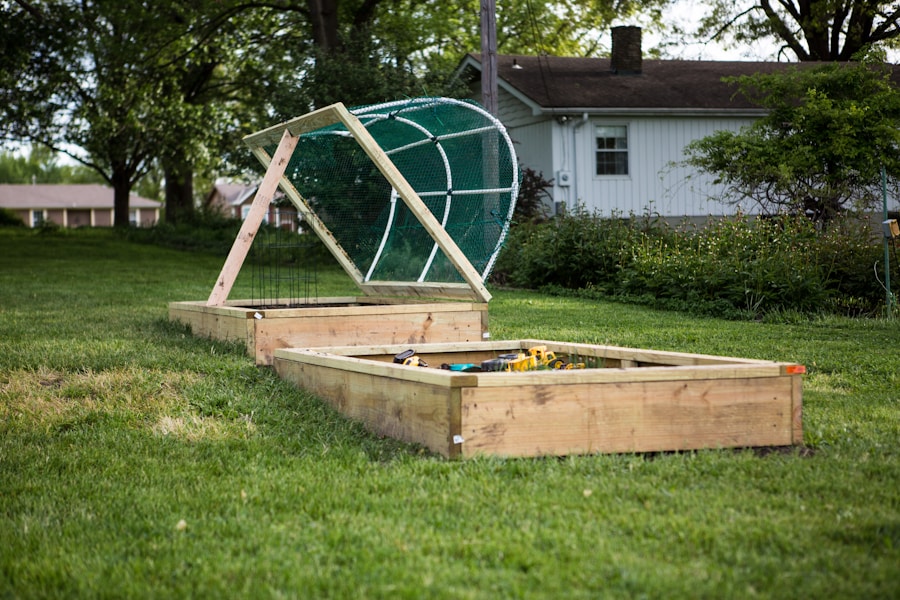
Soil quality is another vital factor. Fruits generally prefer well-drained soil. Waterlogged roots are an invitation to disease and can stunt plant growth. Before planting, assess your soil’s drainage. Dig a hole about a foot deep and fill it with water. If the water drains away within a few hours, your drainage is likely adequate. If it remains standing, you will need to amend the soil to improve drainage. This can be achieved by incorporating organic matter such as compost or well-rotted manure, or by creating raised beds. Soil pH is also important. Most fruit varieties thrive in a slightly acidic to neutral pH range, typically between 6.0 and 7.0. A soil test can determine your soil’s pH and nutrient levels, guiding necessary amendments.
Consider the microclimate of your site. This refers to the specific conditions in a small area, which can differ from the general climate. For example, a protected corner of your yard might be warmer than an open field, allowing for the cultivation of slightly less hardy varieties. Observe how frost settles in your yard; low-lying areas can be frost pockets, potentially damaging early blossoms.
Accessibility is also a practical consideration. Your fruit garden will require ongoing attention, including watering, weeding, and harvesting. Ensure that your chosen location is easily accessible for these tasks. Consider proximity to water sources and pathways.
B. Choosing Your Fruit Varieties
The selection of fruit varieties should align with your climate, available space, and personal preferences. Not all fruits are suitable for every region or garden size.
Consider your hardiness zone. This classification indicates the average annual minimum winter temperature in your area. Plants are rated for specific zones; choosing varieties suited to your zone will significantly increase your chances of success. Information on hardiness zones is readily available through agricultural extension services or online resources.
Think about the space you have available. Large fruit trees, such as apple or pear trees, require significant space and time to mature. If you have limited ground area, consider dwarf varieties, espaliered fruit trees, or smaller fruits like berries. Container gardening is also an option for many fruits, allowing cultivation on patios or balconies.
Evaluate the maturity times of different varieties. Planting a succession of varieties with staggered ripening times can extend your harvest season, providing fresh fruit over a longer period. Some varieties are also better suited for fresh consumption, while others are ideal for preserving or cooking.
Research pollination requirements. Many fruit trees, such as apples and pears, are not self-pollinating and require a second variety of the same fruit to perform pollination for fruit set. This means you will need to plant at least two compatible varieties of the same fruit type if you want to harvest. Berries and stone fruits like peaches and cherries are often self-pollinating, but cross-pollination can sometimes enhance fruit production and quality. Ensure you understand the specific needs of the varieties you are considering.
Consider disease resistance. Some fruit varieties are bred for resistance to common diseases prevalent in your area. Choosing these varieties can reduce the need for chemical treatments and contribute to a more sustainable gardening practice.
Finally, personal preference is a key factor. Grow fruits that you and your family enjoy eating. The effort involved in cultivation is more rewarding when the end product is something you look forward to consuming.
II. Preparing Your Soil and Planting
Once your site is chosen and varieties are selected, the next step is to prepare the ground and introduce your plants. This stage lays the foundation for healthy growth.
A. Soil Amendment and Preparation
Improving your soil ensures that your fruit plants have access to the nutrients and proper conditions they need.
Incorporate organic matter. Regardless of your soil type, adding compost, aged manure, or other organic materials will improve its structure, fertility, and water retention. For clay soils, organic matter helps to lighten the soil and improve drainage. For sandy soils, it enhances water and nutrient retention. Spread a layer of organic matter several inches thick over the planting area and work it into the top 6-12 inches of soil.
Adjust pH if necessary. If your soil test indicated a pH outside the optimal range for your chosen fruits, make amendments accordingly. To lower pH (make it more acidic), you can add sulfur. To raise pH (make it more alkaline), you can add lime. Follow the recommendations from your soil test results carefully, as excessive amendments can be detrimental.
Till or double-dig the soil. Loosening the soil to a depth of at least 12 inches allows for better root penetration. For trees and larger shrubs, this area should be broader than the final canopy. For smaller plants, a more concentrated area is sufficient. Avoid overworking the soil, especially when it is wet, as this can lead to compaction and destroy soil structure.
Consider a soil test. As mentioned earlier, a soil test is invaluable. It provides a scientific assessment of your soil’s nutrient content and pH, allowing you to make targeted improvements rather than guessing. Soil testing kits are available from garden centers, or you can send samples to your local agricultural extension office for a more comprehensive analysis.
B. Planting Techniques
The method of planting varies slightly depending on whether you are planting bare-root stock, container-grown plants, or seeds.
For bare-root trees and shrubs (often sold during dormancy), soak the roots in water for a few hours before planting. Dig a hole large enough to accommodate the spread of the roots without bending them. Create a small mound of soil in the center of the hole and spread the roots over it. The graft union (if present) should be positioned a few inches above the soil line, particularly in colder climates to protect the scion from frost. Backfill the hole with the amended soil, gently firming it to remove air pockets. Water thoroughly after planting.
For container-grown plants, carefully slide the plant from its container. If the roots are tightly circling the root ball (root-bound), gently loosen them to encourage outward growth. You may need to make a few vertical cuts into the root ball. Plant the shrub or tree at the same depth it was in the container. Backfill and water as with bare-root plants.
When planting seeds, follow the specific depth and spacing recommendations on the seed packet. Ensure the soil is moist but not waterlogged. Some seeds benefit from stratification (a period of cold treatment) or scarification (nicking the seed coat) to aid germination; research the requirements for your chosen varieties.
Watering after planting is crucial. Ensure newly planted items are well-watered to help settle the soil and reduce transplant shock.
III. Ongoing Care and Maintenance
Once your fruit plants are established, consistent care is essential for their health, productivity, and longevity. This involves managing water, nutrients, and pests.
A. Watering and Fertilizing
Proper hydration and nutrition are the twin pillars of healthy fruit development.
Watering frequency and amount depend on several factors, including plant type, soil type, weather conditions, and the plant’s growth stage. Young plants require more consistent moisture. During dry spells, water deeply rather than shallowly, encouraging roots to grow deeper into the soil. A general guideline is to water when the top inch or two of soil feels dry. Avoid overhead watering, which can promote fungal diseases; opt for drip irrigation or soaker hoses that deliver water directly to the root zone. See our guide to mastering the art of watering for a complete breakdown of timing, depth, and technique.
Fertilizing should be guided by soil test results and the specific needs of your fruit plants. Many fruit trees and bushes benefit from a balanced fertilizer applied in the spring before new growth begins. Over-fertilizing, especially with nitrogen-rich fertilizers, can lead to excessive leafy growth at the expense of fruit production, and can make plants more susceptible to pests and diseases. Compost is an excellent natural fertilizer that also improves soil structure. For fruiting plants, a fertilizer with a higher phosphorus and potassium content can be beneficial for flowering and fruit development.
Observe your plants for signs of nutrient deficiency. Yellowing leaves, stunted growth, or poor fruit set can indicate a need for fertilization. However, avoid making assumptions; a soil test provides a more accurate diagnosis.
B. Pruning and Training
Pruning is a horticultural technique that involves the selective removal of plant parts. It plays a crucial role in shaping the plant, improving fruit quality, and promoting plant health.
For fruit trees, pruning is typically done during the dormant season (late winter or early spring) to remove dead, damaged, or crossing branches, and to establish a strong framework. This allows for better light penetration and air circulation within the canopy. The goal is to create an open structure that facilitates even ripening and reduces disease pressure. For younger trees, training may involve establishing a central leader or a modified central leader structure.
For berry bushes, pruning often involves removing old, unproductive canes to encourage new growth, which is typically where the most fruit is produced. The timing of pruning for berries varies by type; for example, raspberries are pruned after fruiting or in early spring depending on whether they are primocane or floricane bearing.
Training young plants can involve stakes, cages, or trellises to support their growth and direct their development. Espaliering, a technique of training fruit trees and shrubs to grow flat against a support, is an option for maximizing space and creating aesthetic appeal. It requires regular, detailed pruning to maintain the desired form.
C. Pest and Disease Management
Proactive measures and timely intervention are key to preventing and managing pests and diseases in your fruit garden.
Integrated Pest Management (IPM) is a sustainable approach that emphasizes prevention and employs a range of strategies. This includes choosing resistant varieties, maintaining plant health through proper watering and fertilization, and encouraging beneficial insects.
Regularly inspect your plants for signs of pests such as aphids, spider mites, or fruit flies, and diseases like powdery mildew or scab. Early detection allows for easier control. If an infestation or disease is detected, identify the specific culprit. Many common pests can be controlled with simple methods like washing them off with a strong jet of water or using insecticidal soap. For more persistent problems, consider targeted organic or chemical treatments, always following label instructions carefully.
Birds can be a significant concern for ripening fruit. Netting can be an effective physical barrier to protect your harvest. Other deterrents, such as scarecrows or reflective tape, may offer temporary solutions.
Sanitation is crucial. Remove fallen leaves and fruit, as these can harbor overwintering pests and disease spores. Clean pruning tools between plants to avoid spreading diseases.
IV. Harvesting Your Fruit
The culmination of your efforts is the harvest. Knowing when and how to pick your fruit ensures the best flavor and quality.
A. Ripeness Indicators
Recognizing when fruit is ripe is often a matter of observing several cues.
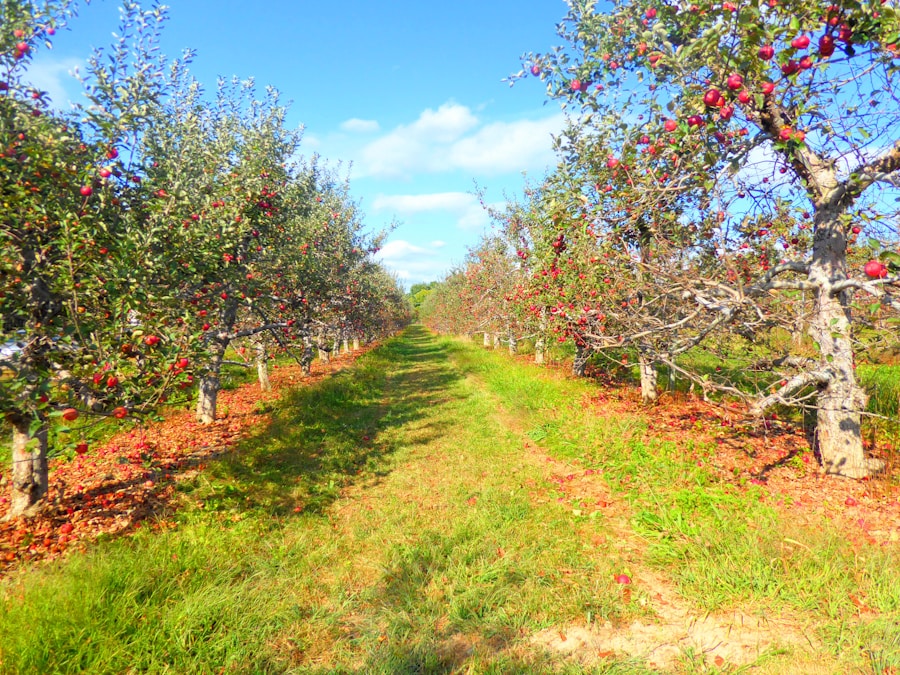
Color is a primary indicator, though it varies widely by fruit type and variety. For instance, apples might transition from green to red or yellow, while berries change from green to their characteristic red, blue, or black. However, relying solely on color can be misleading, as some fruits develop color before they are fully ripe internally.
Size and shape should also be considered. Fruit generally reaches its mature size before it ripens. The shape should be typical for the variety, not stunted or underdeveloped.
Texture and firmness are important. Ripe fruits often soften slightly. For example, ripe peaches and plums will yield gently to pressure, while unripe fruits remain hard. Berries, on the other hand, transition from firm to soft as they ripen.
Aroma can be a strong indicator for some fruits. Many ripe fruits, such as melons and peaches, release a distinct, pleasant fragrance. If you can smell it strongly when near the fruit, it is likely ripe.
Ease of detachment is another sign. Ripe fruits often detach easily from the stem with a gentle tug. If you have to pull hard, the fruit is likely not ready. For fruits that grow in clusters, like grapes or cherries, the entire cluster may ripen around the same time, indicating readiness.
B. Picking Techniques
The method of harvesting depends on the type of fruit and its botanical characteristics.
For tree fruits like apples, pears, and stone fruits, gently twist the fruit to detach it from the stem. Avoid pulling, which can damage the branch or spur that produced the fruit. If the fruit does not detach easily, it is likely not ripe. For fruits that color unevenly, pick the ripest ones and leave others to continue ripening on the tree.
Berries are typically picked by hand, gently cupping the hand and rolling the fruit into your palm, or by snipping the stem with small scissors or pruners. Be careful not to crush delicate berries. Harvest them regularly to encourage further production and prevent spoilage.
Grapes are usually harvested in whole clusters. Use sharp pruners or scissors to cut the stem of the cluster.
For fruits attached to vines, such as melons, the stem may begin to dry or crack when the fruit is ripe. Gently lift the melon to check for ripeness, and be prepared to cut the vine with a sharp knife if necessary.
Store harvested fruit properly to maintain its quality and extend its shelf life. Some fruits, like apples and pears, can be stored in a cool, dark place, while others, like berries, are best consumed soon after picking or refrigerated.
V. Maximizing Your Yield and Enjoyment
Beyond basic cultivation, several strategies can enhance your fruit harvest and the overall experience of growing your own.
A. Companion Planting and Biodiversity
Cultivating a diverse range of plants in and around your fruit garden can offer numerous benefits.
Companion planting involves growing different plant species together for mutual benefit. For example, planting marigolds around fruit trees can deter certain nematodes. Growing herbs like basil or mint can repel some common pests. Nitrogen-fixing plants can enrich the soil, benefiting nearby fruit plants. Companion planting for pest control is one of the most effective chemical-free approaches available to home growers.
Encouraging biodiversity by attracting beneficial insects is crucial. Plant flowers that attract pollinators like bees and butterflies, as well as predatory insects that control pest populations. Ladybugs, lacewings, and parasitic wasps are natural allies in the garden. Providing a water source, such as a small bird bath, can further enhance insect and bird populations.
A healthy ecosystem within your garden is like a miniature, self-regulating city. The more varied the residents, the more resilient the city is to disruption. This principle applies directly to fruit gardening, where a diverse range of flora and fauna can create a more stable and productive environment.
B. Seasonal Planning and Succession Planting
Thoughtful seasonal planning and succession planting can ensure a continuous harvest and a more efficient use of your garden space.
For vegetables and some smaller fruits, succession planting involves sowing seeds or transplanting young plants at regular intervals. This ensures a staggered harvest, preventing gluts of produce that can be difficult to consume or preserve all at once. Some berry varieties have extended fruiting periods, allowing for multiple harvests over several weeks.
Plan your garden layout to optimize sunlight exposure and inter-plant crops. For example, taller fruit trees can provide some shade for shade-tolerant crops during the hottest parts of the day. Consider the mature size of all plants to avoid overcrowding.
Pruning schedules are also part of seasonal planning. Understanding when each type of fruit plant requires pruning for optimal health and fruiting is essential.
C. Preservation and Culinary Uses
Once you have a bountiful harvest, you can extend the enjoyment of your homegrown fruits through various preservation methods and by exploring their culinary versatility.
Preservation techniques such as canning, freezing, drying, and making jams or jellies allow you to enjoy your fruit long after the growing season has ended. Each method has its own requirements and is best suited for specific types of fruit. For example, berries are excellent for freezing or making jams, while apples can be dried or canned. The same drying and storage principles covered in our guide to preserving your homegrown harvest apply directly to the herbs and garnishes you’ll want alongside your fruit recipes.
Homegrown fruits can be used in a wide array of dishes. Beyond simple fresh consumption, they can be incorporated into pies, tarts, crumbles, sauces, smoothies, and salads. The flavor of freshly picked, home-grown fruit often surpasses that of store-bought produce, offering a richer and more nuanced taste that elevates any dish. Experimenting with different recipes you discover can unlock new dimensions of enjoyment.
The process of growing fruit from seed to table is a rewarding endeavor. It connects you to the natural cycles of growth and provides a source of fresh, nutritious food that can be enjoyed in myriad ways.