Uncategorized
 Uncategorized
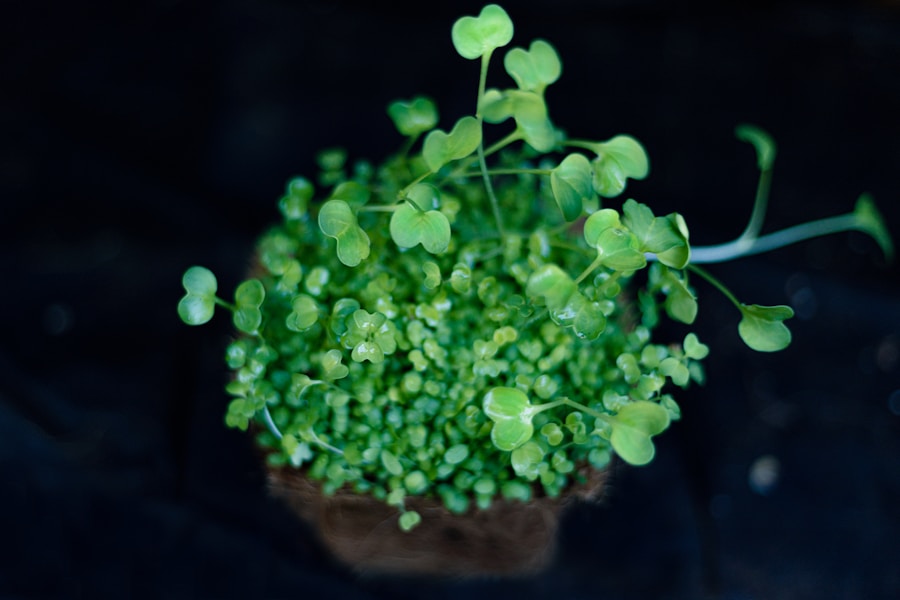
 Discover the Benefits of Growing and Eating Your Own Microgreens
Microgreens are young, edible greens that are harvested just after the first true leaves have developed. They are smaller than baby greens…
 Uncategorized
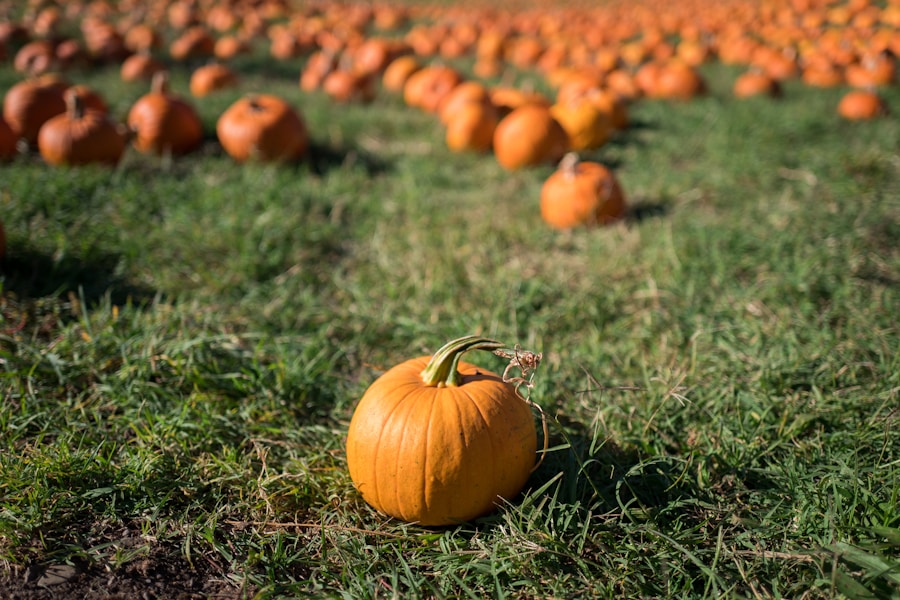
 Top 5 Vegetables to Harvest in the Fall for a Bountiful Garden
The fall harvest season is a time of abundance and plenty, as farmers and gardeners reap the rewards of their hard work…
 Uncategorized
 Step-by-Step Guide: How to Build a Beautiful Garden Path on a Budget
When it comes to planning and designing your garden path, there are several factors to consider. First, think about the purpose of…
 Uncategorized
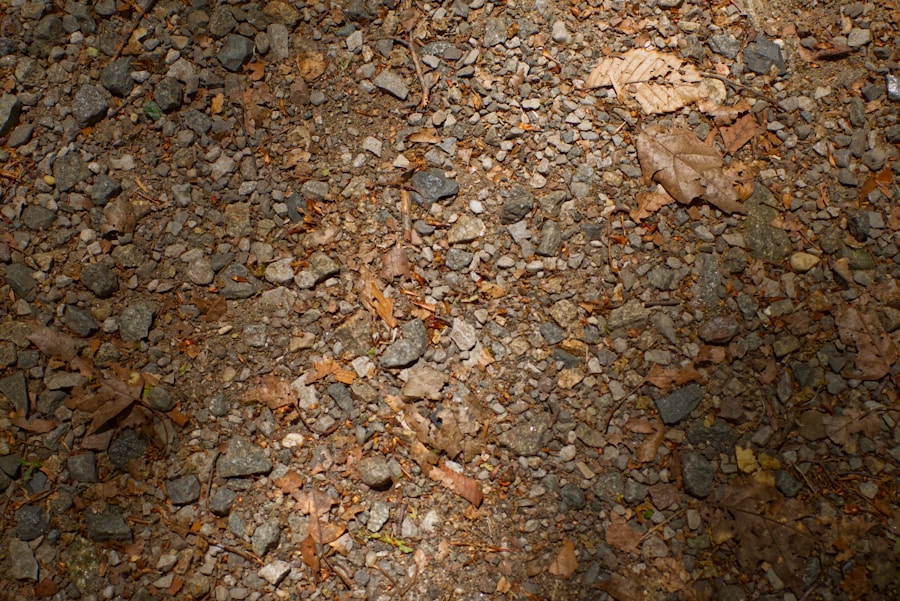
 From Drab to Fab: Easy DIY Garden Path Ideas for Instant Curb Appeal
A well-designed garden path is an essential element of any outdoor space, providing both functionality and aesthetic appeal. Whether it’s a winding…
 Uncategorized
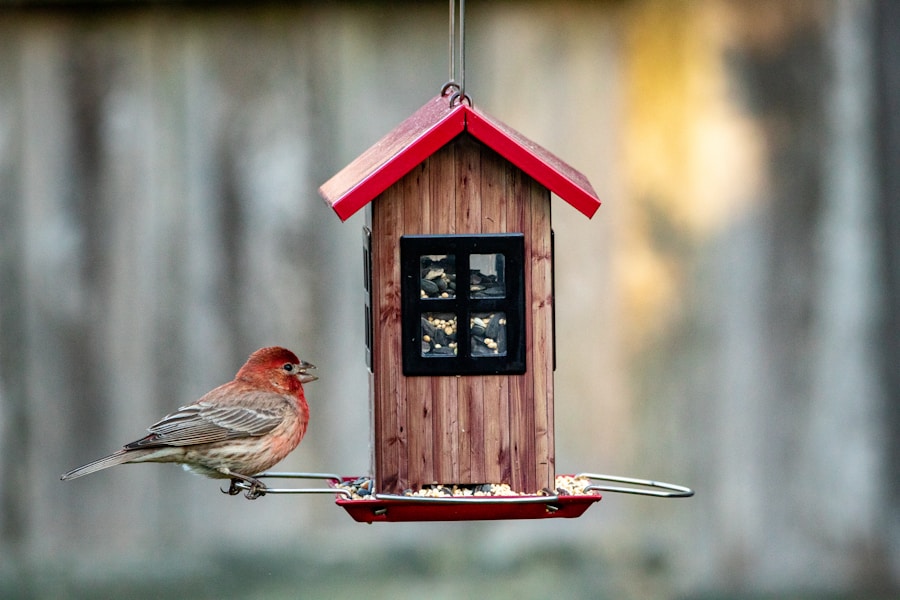
 From Hummingbirds to Hedgehogs: How to Make Your Garden a Haven for Wildlife
In order to create a wildlife-friendly garden, it is important to first understand the needs of the wildlife that you are hoping…
 Uncategorized
 Create a Lush Oasis on Your Patio with Container Gardening
When it comes to choosing the right containers for your garden, there are a few key factors to consider. First and foremost,…
From Cutting to Blooming: A Beginner’s Guide to Propagating Plants
Propagation is the process of creating new plants from existing ones. There are several methods of propagation, including seed propagation, cutting, division,…
Mastering the Art of Growing New Plants from Cuttings
Plant propagation is the process of creating new plants from existing ones. There are several methods of plant propagation, including seed propagation,…
 Uncategorized
 Weed Warfare: Natural Strategies for a Weed-Free Garden
Garden weeds are the bane of every gardener’s existence. They compete with desirable plants for water, nutrients, and sunlight, and can quickly…
 Uncategorized
 The Great Debate: Organic vs. Synthetic Fertilizers – Which is Best for Your Garden?
Organic fertilizers are derived from natural sources such as plants, animals, and minerals. They are often made from compost, manure, bone meal,…