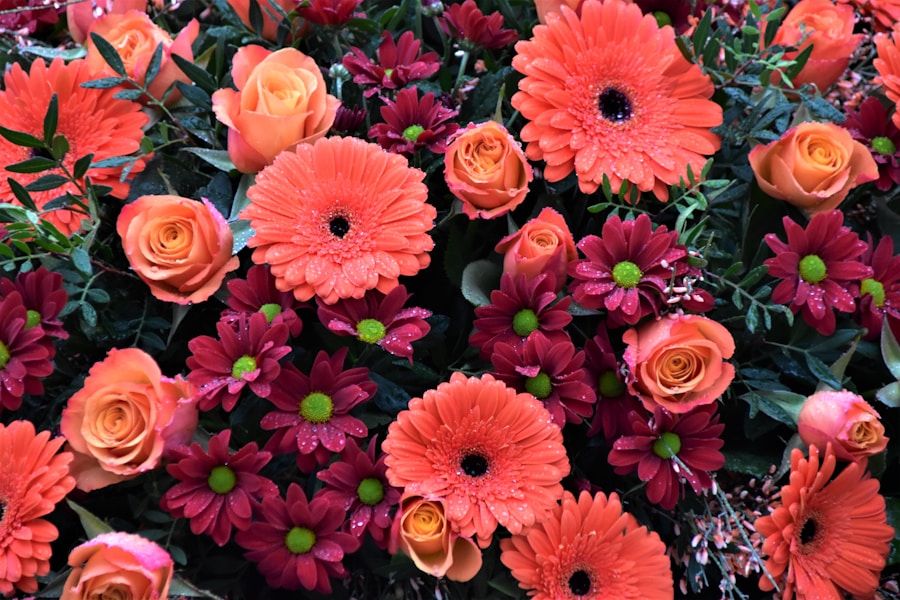
Color theory is an essential aspect of garden design, as it can greatly impact the overall aesthetic and mood of a garden space. Understanding the basics of color theory can help gardeners create visually appealing and harmonious outdoor spaces. In color theory, colors are often categorized into three main groups: primary colors (red, blue, and yellow), secondary colors (orange, green, and purple), and tertiary colors (a combination of primary and secondary colors). Additionally, colors are also classified as warm (such as red, orange, and yellow) or cool (such as blue, green, and purple).
When it comes to garden design, the use of color can evoke different emotions and create different visual effects. For example, warm colors can create a sense of energy and excitement, while cool colors can evoke a feeling of calm and tranquility. Understanding the psychological effects of different colors can help gardeners create a specific atmosphere in their outdoor spaces. Furthermore, color theory also involves understanding the concept of color harmony, which refers to the pleasing arrangement of colors in a garden. This can be achieved through the use of complementary colors (colors that are opposite each other on the color wheel), analogous colors (colors that are next to each other on the color wheel), or monochromatic colors (different shades of the same color). By understanding these principles, gardeners can create visually stunning and cohesive garden designs.
Choosing a Color Palette for Your Garden
When it comes to choosing a color palette for your garden, there are several factors to consider. First and foremost, it’s important to take into account the existing colors in your outdoor space, such as the color of your home, existing hardscape elements, and surrounding landscape. This will help ensure that the chosen color palette complements the overall aesthetic of the space. Additionally, it’s important to consider the mood or atmosphere you want to create in your garden. For example, if you want to create a vibrant and energetic space, you may opt for a bold and bright color palette. On the other hand, if you want to create a serene and calming atmosphere, you may choose a more subdued and cool color palette.
Another important consideration when choosing a color palette for your garden is the seasonality of the plants. Different plants bloom at different times of the year and have different foliage colors. By selecting a diverse range of plants with varying bloom times and foliage colors, you can ensure that your garden remains visually appealing throughout the year. Additionally, it’s important to consider the size and scale of your garden when choosing a color palette. In smaller spaces, using a limited color palette can create a sense of cohesion and unity, while in larger spaces, a more diverse color palette can create visual interest and variety.
Incorporating Different Plant Varieties for a Multi-Colored Garden
Incorporating different plant varieties is key to creating a multi-colored garden that is visually stunning and dynamic. When selecting plants for your garden, it’s important to consider not only their bloom colors but also their foliage colors. Foliage can provide year-round interest and add depth to the overall color scheme of the garden. Additionally, it’s important to consider the height and texture of the plants, as these factors can also contribute to the overall visual impact of the garden.
One approach to creating a multi-colored garden is to select plants that bloom at different times of the year. This can ensure that there is always something in bloom, providing continuous color throughout the seasons. Another approach is to select plants with varying bloom colors that complement each other. For example, pairing plants with complementary or analogous bloom colors can create a harmonious and visually appealing display. Additionally, incorporating plants with variegated foliage or unique textures can add further interest and dimension to the garden.
When designing a multi-colored garden, it’s important to consider the overall balance and distribution of colors throughout the space. By strategically placing plants with different colors and textures, you can create a cohesive and balanced composition that is visually appealing from all angles. Furthermore, it’s important to consider the long-term maintenance of the garden when selecting plant varieties. Choosing plants that are well-suited to your climate and soil conditions can help ensure that your multi-colored garden remains healthy and vibrant for years to come.
Utilizing Hardscape Elements to Enhance Color Themes
In addition to plants, hardscape elements can also play a significant role in enhancing color themes in the garden. Hardscape elements such as pathways, walls, fences, and containers can be used to introduce additional colors and textures into the garden space. When selecting hardscape materials, it’s important to consider how they will complement the existing color palette of the garden. For example, using natural stone or brick in earthy tones can create a warm and inviting atmosphere, while using concrete or metal in cooler tones can create a more modern and sleek aesthetic.
Another way to utilize hardscape elements to enhance color themes is through the use of painted surfaces. For example, painting a fence or trellis in a bold or contrasting color can create a focal point in the garden and add visual interest. Additionally, using colorful containers or decorative pots can introduce pops of color throughout the garden space. When incorporating hardscape elements into the garden design, it’s important to consider their placement and scale in relation to the surrounding plants. By strategically placing hardscape elements, you can create a sense of balance and harmony within the overall composition.
Furthermore, lighting can also be used as a hardscape element to enhance color themes in the garden. By strategically placing outdoor lighting fixtures, you can highlight specific plants or hardscape elements and create dramatic effects at night. Colored lighting can also be used to add an additional layer of color to the garden space, creating a magical and enchanting atmosphere after dark. Overall, hardscape elements offer endless opportunities for adding color and visual interest to the garden design.
Maintaining a Color-Themed Garden Throughout the Seasons
Maintaining a color-themed garden throughout the seasons requires careful planning and consideration of plant selection, bloom times, and seasonal changes. One approach to ensuring year-round color in the garden is to select plants with staggered bloom times. By incorporating early spring bloomers, summer perennials, fall-blooming plants, and even winter-blooming varieties, you can ensure that there is always something in bloom throughout the year. Additionally, selecting plants with colorful foliage or interesting textures can provide visual interest even when they are not in bloom.
Another key aspect of maintaining a color-themed garden throughout the seasons is proper maintenance and care of the plants. Regular pruning, deadheading, and fertilizing can help ensure that plants remain healthy and vibrant throughout their growing season. Additionally, providing adequate water and sunlight for each plant species is essential for maintaining their color and vigor. It’s also important to consider seasonal changes in temperature and weather conditions when planning a color-themed garden. Selecting plants that are well-suited to your climate zone can help ensure their long-term health and performance.
In addition to plant selection and maintenance, incorporating seasonal accents such as annual flowers or decorative containers can add bursts of color throughout the year. Annual flowers can be planted in beds or containers to provide seasonal pops of color that complement the existing color palette of the garden. Furthermore, decorative containers filled with seasonal blooms or foliage can be strategically placed throughout the garden to add visual interest and variety. By carefully planning and maintaining a diverse range of plant species and seasonal accents, you can create a vibrant and colorful garden that remains visually appealing throughout the year.
Creating Focal Points and Accents with Color in the Garden
Creating focal points and accents with color in the garden is an effective way to draw attention to specific areas or features within the outdoor space. Focal points can serve as visual anchors that guide the eye through the garden and create a sense of balance and harmony. One approach to creating focal points with color is through the use of bold or contrasting plantings. For example, planting a group of brightly colored flowers or foliage against a backdrop of more subdued tones can create a striking focal point that commands attention.
Another way to create focal points with color is through the use of hardscape elements such as sculptures, water features, or architectural structures. By incorporating colorful elements into these features, you can create dramatic visual effects that add depth and interest to the garden space. Additionally, using colorful containers or decorative pots as focal points can provide bursts of color throughout the garden while also serving as functional accents for planting annuals or seasonal blooms.
In addition to creating focal points with color, accents can also be used to add visual interest and variety to the garden design. Accents such as colorful pathways, seating areas, or decorative borders can help define different areas within the garden while also adding pops of color throughout the space. Furthermore, incorporating art or decorative objects with vibrant colors can add personality and charm to the outdoor space. By strategically placing focal points and accents with color throughout the garden, you can create a dynamic and visually engaging environment that reflects your personal style and creativity.
Tips for Balancing and Harmonizing Colors in Your Garden Design
Balancing and harmonizing colors in your garden design is essential for creating a visually appealing and cohesive outdoor space. One tip for achieving balance is to consider the overall distribution of colors throughout the garden. By strategically placing plants with different colors and textures, you can create a sense of equilibrium within the composition. Additionally, using repetition of certain colors or color combinations throughout the space can help create unity and cohesion.
Another tip for balancing and harmonizing colors is to consider contrast and proportion when selecting plant varieties. Pairing complementary or analogous colors can create harmonious combinations that are visually pleasing. Additionally, considering the scale and proportion of different plantings in relation to each other can help ensure that no single color overwhelms or dominates the overall composition.
Furthermore, it’s important to consider how colors change throughout the day as lighting conditions shift. Certain colors may appear more vibrant or subdued depending on the time of day or weather conditions. By considering these factors when selecting plant varieties and hardscape elements, you can create a dynamic and ever-changing color palette that responds to its environment.
In conclusion, understanding color theory in garden design is essential for creating visually stunning outdoor spaces that reflect your personal style and creativity. By carefully selecting plant varieties, hardscape elements, and seasonal accents with diverse colors and textures, you can create a multi-colored garden that remains vibrant throughout the year. Additionally, by creating focal points and accents with color while balancing and harmonizing different hues throughout the space, you can achieve a cohesive and visually appealing composition that reflects your unique vision for your outdoor oasis. With careful planning and maintenance, you can create a colorful garden that brings joy and inspiration year after year.
In conclusion, understanding color theory in garden design is essential for creating visually stunning outdoor spaces that reflect your personal style and creativity. By carefully selecting plant varieties, hardscape elements, and seasonal accents with diverse colors and textures, you can create a multi-colored garden that remains vibrant throughout the year. Additionally, by creating focal points and accents with color while balancing and harmonizing different hues throughout the space, you can achieve a cohesive and visually appealing composition that reflects your unique vision for your outdoor oasis. With careful planning and maintenance, you can create a colorful garden that brings joy and inspiration year after year. Whether you prefer a bold and vibrant palette or a more subtle and calming color scheme, understanding color theory will help you achieve the garden of your dreams.