Best Garden Channel · Free Bed Planning Kit
A better raised bed
starts with a plan.
Before you buy the frame or order the soil, get clear on the space, the fill and the full project cost.
- Two illustrated, practical field guides
- Worked examples and useful planning notes
- Weekly tips to help you put the plan to work
Get your free
Bed Planning Kit.
Join Craig’s gardening emails and get the Raised Beds and Soil & Compost guides.
Get the downloads after signup, plus a kit email and seven weekly follow-ups. Gardening advice and occasional product offers. Unsubscribe anytime.
Form not loading? Open the signup form. Privacy policy.
A look inside
Less guesswork.
More useful decisions.
Two illustrated six-page field guides, with practical examples and a notes page you can print or fill in on screen. Start with the site and dimensions, then ask better questions about what goes into the bed.
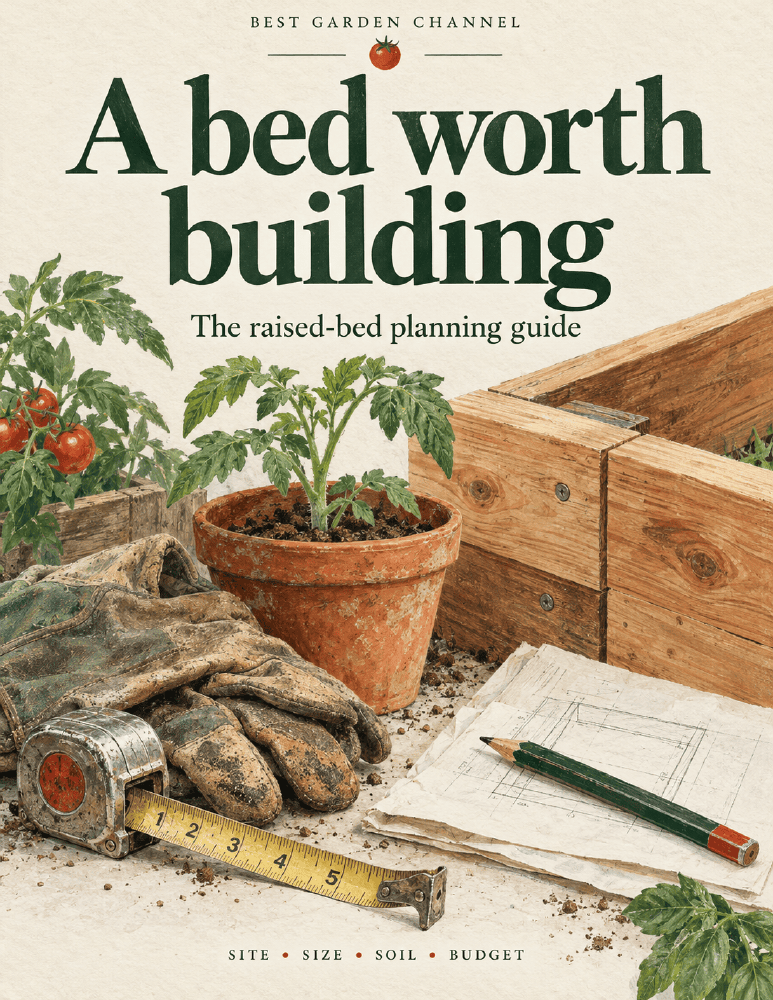 Measure first.
Buy second.
Plan the whole bed—not just the frame.
Walk the site with a purpose, decide what height is useful, and work out how much fill you’ll need.
- Sunlight, hose reach and comfortable paths
- Internal dimensions and planned fill depth
- Fill-volume examples and a complete project budget
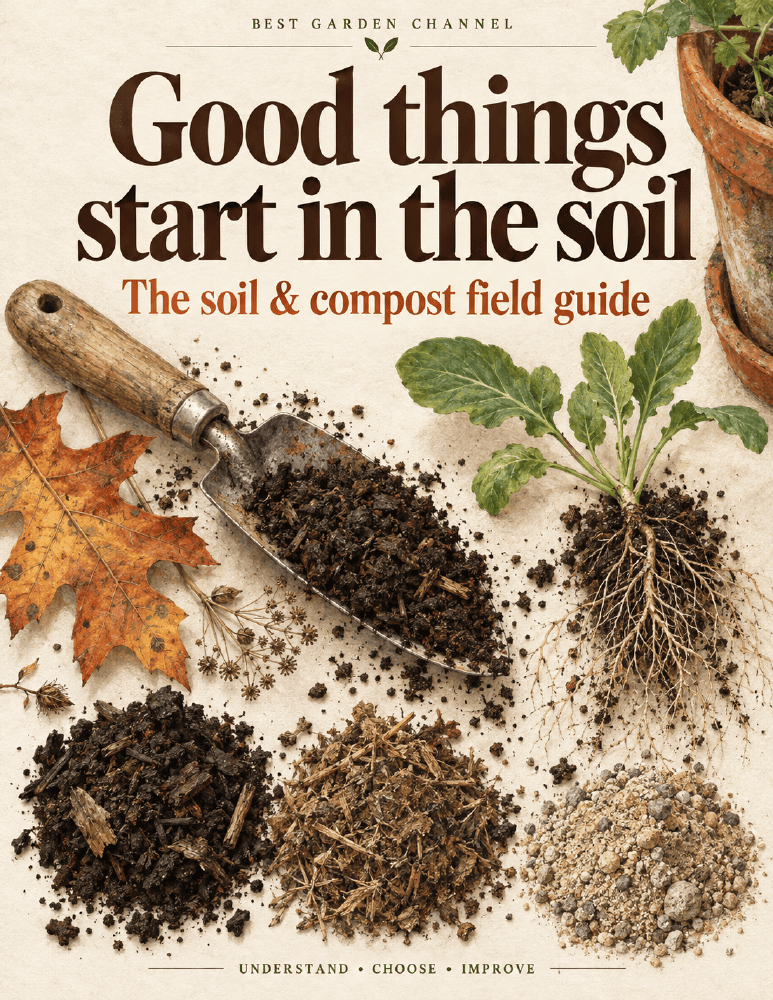 Know what
you’re filling it with.
Give every bag a reason to be there.
Understand the difference between soil, raised-bed fill and potting mix before ordering a delivery.
- Questions to ask a soil supplier
- When testing is more useful than adding products
- Simple records for amendments and watering observations
One decision. A very different soil bill.
Twice the depth.
Twice the fill.
An 8 × 4 ft rectangular bed filled 12 inches deep needs 32 cubic feet. Fill it 24 inches deep and that becomes 64 cubic feet.
That’s why it helps to plan the filled depth before comparing prices.
Send me the free kit ↑Illustrative volume, before settling. Use your actual internal dimensions. The kit also points you to our free calculator for comparing bagged mix and bulk delivery using your local quotes.
From Craig at Best Garden Channel
A raised bed is one part of a garden—not the whole plan. These guides bring together the checks that are easy to skip when you’re excited to get growing: access, water, the right fill and the cost beyond the frame.
Use them for a DIY bed or a purchased one. You don’t need to buy a particular brand.
Before you sign up
What exactly do I get?
Two illustrated, six-page PDFs: A Bed Worth Building and Good Things Start in the Soil. They include a worked project budget, fill calculations, supplier questions, soil guidance and a fillable notes page in each guide, with links to university extension sources. The download page also links to the free bed-cost calculator.
Is it really free?
Yes. There is no charge for the guides and no purchase required. You’ll join Craig’s gardening email list, which includes occasional product offers. You can unsubscribe anytime.
How will I get the guides?
After a successful signup, you’ll go to the download page. The email sequence is set to send the kit immediately, followed by one helpful email each week for seven weeks. If SendFox asks you to confirm your address, follow that confirmation step. Check your promotions or spam folder if needed.
Do I need a particular kind of raised bed?
No. The planning advice covers DIY and purchased beds. The fill example and calculator use rectangular dimensions; curved or irregular beds need a shape-specific volume estimate.
Your next step
Plan it on paper.
Then build it in the garden.
Get the two guides and start with one useful decision before your next purchase.
Get my free Bed Planning Kit ↑